Lock installation
An excellent lock badly fitted is worse than a modest one fitted properly.
Almost nobody who forces a residential door defeats the lock. They defeat the timber around it, the screws holding the strike plate, or the frame the whole assembly is fixed to. Which means the money you spend on a mechanism only converts into actual security if somebody has thought about what it is being anchored into — and that part is invisible on the invoice.
What you can expect
- 24/7 emergency response
- Mobile units across Cape Town
- Residential, commercial & automotive
- Transparent pricing
- Trusted by Cape Town locals
The weak point is nearly always the frame, not the mechanism
Look at how residential doors are genuinely forced and a pattern appears immediately: the bolt stays intact, the lock body stays intact, and the strike plate tears out of the frame taking a strip of softwood with it. The mechanism was never tested. What failed was twenty millimetres of pine and two short screws that came in the box.
That is why installation quality is not a finishing detail. A long bolt throwing into a properly reinforced keeper, with fixings that reach into the structural stud rather than stopping in the architrave, changes the amount of force required by a substantial margin. The same lock fitted carelessly into the same frame is decorative. Nothing about the catalogue page distinguishes the two outcomes.
It is also why an honest quote sometimes costs more than the cheapest one and buys you far more. Reinforcing a keeper, packing a frame, or repairing timber before anything is fitted is real work that does not show. Skipping it produces a door that looks identical and performs completely differently, and you will not find out which one you bought until somebody tries it. It is also why a genuine security lock upgrade conversation starts at the frame rather than at a product page, and why an emergency lock change done at midnight is explicitly a temporary measure rather than a proper fitting.
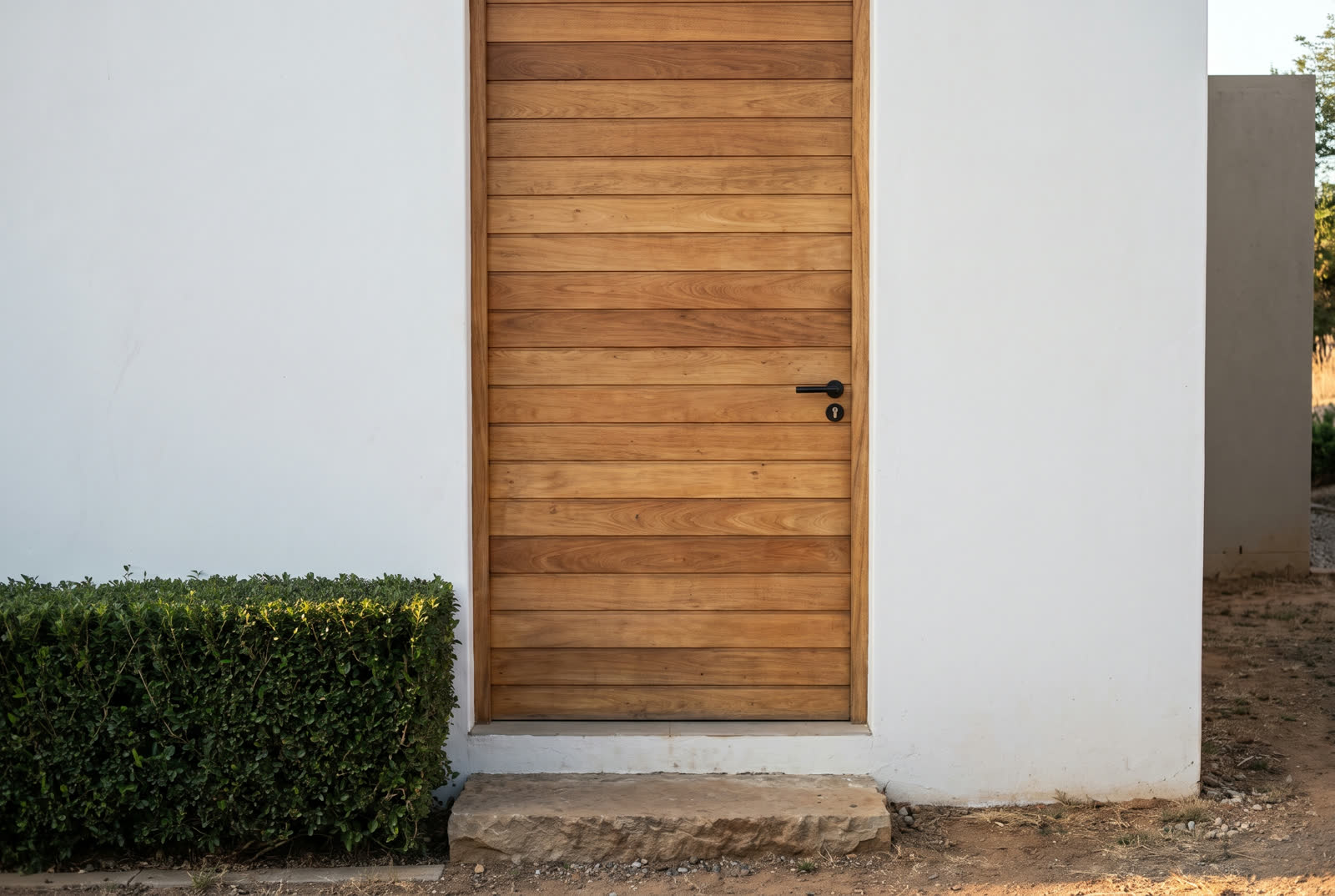
Six installations we are asked for most
Each one is only as good as what it has been anchored into.
Deadbolts on timber doors
Where the throw length and the keeper fixings matter more than the brand on the box.
Security lock upgradesMortice locks in older doors
Fitted into existing housings wherever possible rather than cutting fresh into old joinery.
Lock repairMultipoint gear on aluminium
Set up for the hottest afternoon of the year, not for the mild morning it was fitted on.
High security locksSecurity gates and grilles
Where the anchor into masonry decides everything and the padlock decides very little.
Residential locksmithCommercial entrances
Hardware rated for hundreds of daily operations rather than for a household.
Commercial locksmithWhole-property fit-outs
Every external barrier specified together and keyed together after a build or purchase.
Lock change servicesFitting new locks somewhere?
Tell us what the doors and frames are made of. Timber, aluminium and steel each change the answer before any hardware is chosen.
The door decides the lock, not the other way round
Choosing hardware before assessing what it is going into is how the wrong thing gets bought.
Timber doors vary enormously. An old solid hardwood leaf in a sound frame will take almost anything and hold it; a modern hollow-core door with a soft pine frame will not hold much regardless of what is screwed to it. On the second, the honest recommendation frequently involves reinforcing or replacing part of the frame before discussing mechanisms at all — and being told that is better than paying for a lock that has nothing to grip.
Aluminium and uPVC bring a different problem. Multipoint gear is machined to fine tolerances, which is exactly why it stops seating when a frame moves even slightly with heat, settlement or seasonal damp. Installing it is not merely fixing it in place — it is setting the tolerances so the bolts still find their keepers at the extremes of the year rather than only on the day of fitting.
Steel and security gates are almost entirely an anchoring question. A serious gate lock bolted into crumbling plaster is theatre; the same lock anchored properly into masonry is a genuine barrier. Where a property sits also matters, because coastal positions eat ordinary fittings — our locksmith near you page explains what different parts of the city do to hardware, and the Cape Town locksmith page covers everything else we handle.
What a proper installation includes
The parts that show, and the parts that decide whether any of it works.
- Frames assessed and reinforced before a mechanism is chosen for them.
- Strike plates and keepers fixed with fixings that reach structural timber.
- Bolt throw matched to the door and frame rather than to what was in stock.
- Multipoint gear set for seasonal movement, not just for the day it was fitted.
- Existing mortice housings reused so old joinery is not cut unnecessarily.
- Gate and grille hardware anchored into masonry rather than into plaster.
- Coastal and exposed positions specified with corrosion in mind from the start.
- Everything keyed together where a household wants one key rather than five.
The cheapest fitting is rarely the cheapest outcome
Two quotes for the same lock can differ substantially and both be honest, because most of the variable cost is in preparation rather than in the box. Repairing split timber, packing a frame, reinforcing a keeper or making good a previous bad installation are all genuine hours that produce nothing visible. A quote with none of that in it is either for a door that genuinely needs none, or for work that has skipped it. The same logic applies to a commercial lock repair on a trading premises, where preparation is the difference between a door that lasts a decade and one back on the list within a year.
The question worth asking is simply: what are you fixing this into, and does it need anything first? A straight answer names the material and the condition. A vague one usually means nobody looked. On an older property especially, that single question separates an installation that will still be sound in fifteen years from one that will be a lock repair call within two.
It is also worth asking what happens to the door itself. On older housing stock, reusing an existing mortice housing rather than cutting a fresh one preserves something that cannot be put back, and it is very often possible with a bit more effort. Anybody reaching for a chisel on original joinery as a first move is optimising for their own speed rather than for your building. On period stock in particular that restraint is the whole difference between an installation and a loss, because a mortice cut in the wrong place is not something a later owner can ever undo.
Assess, prepare, fit, set
Two of these four steps are invisible afterwards, and they are the ones that matter.
- 01
Assess the door and frame
Material, condition and what it can actually hold. This decides the hardware, not a catalogue.
- 02
Prepare what needs preparing
Split timber, soft frames and previous bad fittings get made good before anything new goes on.
- 03
Fit into structure
Keepers and strike plates fixed into something solid rather than into architrave.
- 04
Set for the whole year
Tolerances allowed for heat, damp and movement so it still works next February.
A serious lock in soft pine, a gate in plaster, and a door nobody had to cut
Three installations where the mechanism was the least interesting decision.
The expensive lock that was holding nothing
A household had fitted a well-regarded deadbolt themselves and wanted a second one to match. The existing installation looked immaculate from the front.
The keeper was held by two short screws into an architrave, with a gap behind it. A firm shoulder would have taken the whole assembly out. Reinforced properly and refixed into structural timber — same lock, entirely different outcome.
Anchored into nothing
A security gate on a side entrance with a substantial lock on it. The owner had spent well and reasonably assumed the job was done.
The frame was fixed into old plaster that crumbled under a screwdriver. The lock had never been the weak point. Re-anchored into masonry, and the gate went from decorative to genuinely awkward to get past.
The old door that stayed intact
A period property wanted modern security on an original front door, with a quote already in hand that involved cutting a fresh mortice.
The existing housing was well cut and took a contemporary mechanism with no new cuts in the timber at all. It took longer and cost slightly more in labour, and the door kept the fabric that cannot be reordered.
New builds and recent developments
Recently built homes settle for their first years, and gear cut to fine tolerances stops seating cleanly even though the handle still travels its whole sweep.
That is a setting-out job rather than a fault, and it is worth having done once properly rather than living with a door that needs shouldering every summer.
Fitting after a purchase or a build
The most efficient moment to do this is all at once — every external barrier specified together, fitted together and keyed together, rather than door by door over three years.
It is also the moment a lock change makes most sense, because contractor and previous-owner keys retire in the same visit, and anything that turns out to need attention later becomes ordinary lock repair rather than a second fit-out.
Lock installation
New locks, fitted properly — homes, businesses and complexes across Cape Town.
A lock is only as strong as its installation. We fit deadbolts, mortice locks, multi-point gearboxes, smart locks and security-gate locks the way the manufacturer intended — sized, aligned, and tested before we leave.
What you can expect
- 24/7 emergency response
- Mobile units across Cape Town
- Residential, commercial & automotive
- Transparent pricing
- Trusted by Cape Town locals
What we install
- Cylinder rim locks for timber front doors.
- Mortice deadlocks and sash locks.
- Multi-point locking systems on aluminium and PVC doors.
- Hook-bolt and patch-fit locks for sliding patio and shopfront doors.
- Smart locks — keypad, app and biometric variants.
- Security gate locks — Trellidor, Xpanda and similar.
- Garage pedestrian door locks and padlocks.
Picking the right lock for the door
Door material, door thickness, strike-plate condition and how often the door cycles every day all matter. A high-traffic shopfront wants a commercial-grade hook-bolt, not a residential deadbolt. A heavy timber front door wants a serious mortice plus a quality cylinder, not a budget rim lock. We size and spec each lock to the door rather than fitting whatever was on the van — and we tell you why.
Smart locks done sensibly
Smart locks are great for short-let owners, busy families and anyone tired of carrying keys. They're only as good as their installation and battery discipline. We fit models with a mechanical override key, set up the app correctly, hand over to whoever is going to manage it, and explain the failure modes so you're not stuck outside in two years.
Pairs naturally with other work
Most installations are paired with a security upgrade on neighbouring doors, or a wider lock change when a property changes hands. On businesses we'll often combine the install with a master key system.
Across the city
Installations across Gardens, Claremont, Wynberg, Durbanville, Montague Gardens and beyond.
Related services
- Lock Change ServicesModern, high-security lock replacements for homes, businesses and estates.
- Lock RepairWe repair sticking, broken and worn locks instead of replacing them.
- Security Lock UpgradesUpgrade older locks to modern high-security hardware.
- High Security LocksPick-resistant, drill-resistant locks for serious security.
- Residential LocksmithHome locksmiths trusted across Cape Town suburbs — lockouts, repairs, upgrades, installations.
- Commercial LocksmithBusiness security specialists — master key systems, high-security locks, access control.
Lock installation across Cape Town
- GardensResidential and small-business locksmith service in Gardens.
- ClaremontLocksmith service across Claremont's homes and retail.
- WynbergWynberg residential and commercial locksmith service.
- DurbanvilleLocksmith service across Durbanville's homes and estates.
- Montague GardensIndustrial and commercial locksmith service in Montague Gardens.
- NewlandsLocksmith service in leafy Newlands.
FAQ
The door, frame and strike have to work as one
A lock installation is not finished when the hardware is screwed on; it is finished when the door closes cleanly, the bolt throws fully, and the strike plate catches the lock without forcing the door out of shape. That is the difference between fresh-looking hardware and real lock security. During lock fitting, our locksmith checks the door alignment first, because a latch that drags or a deadbolt that only half-enters the keep can be defeated by normal movement, not just by tampering. We look at hinge wear, frame movement, screw bite, and the depth and position of the strike plate so the lock can engage exactly as designed. If the door has shifted, the frame is uneven, or the existing cut-out is too shallow, the lock may feel solid while leaving the door vulnerable at the point of contact.
In homes, businesses and complexes across Cape Town, those small gaps matter: a poorly seated bolt can bind in daily use, loosen over time, and fail under pressure long before the hardware itself is worn out. Proper lock installation also means checking that the door still opens and closes smoothly after fitting, that the latch does not scrape, and that the lock body sits square without stress on the timber or metal. Where needed, we rework the strike plate, adjust the keep, or refine the fitting so the final result is secure rather than merely installed. That practical testing is what turns a new lock into a dependable part of the door, not just a replacement part on it.
What a proper lock fit actually includes
When you book lock installation, you are not just paying for a locksmith to screw in new hardware and leave. A proper service usually starts with checking the opening, then fitting the chosen lock, setting the mechanism, and confirming that the door hardware works as a single unit. That means the new lock installation is placed correctly, the fixings are secure, the latch or bolt operates as intended, and the client is shown how the lock behaves in everyday use. If a part needs a small adjustment during installation and testing, that is part of the job; it is what turns lock fitting into a finished result rather than a loose piece of hardware. For homes, businesses and complexes across Cape Town, that practical handover matters because it tells you the work is complete and the lock is ready for normal use.
A lock replacement can also involve removing tired hardware and setting the new unit so it matches the door’s existing layout without unnecessary wear. The scope is different from an emergency locksmith callout, where the focus is gaining access quickly, and it is different again from a car locksmith job, which has its own tools and methods. In areas such as Table View, people often want to know whether a locksmith in Table View can handle both the fitting and the final check; the answer should be yes, because proper installation includes both. Clear installation and testing also give you a simple record of what was fitted, how it was set up, and what to expect next, so the result feels secure, usable, and straightforward from day one.
Where planned installation makes the most sense
Lock installation Cape Town is usually the right service when a property is being upgraded on purpose, not patched in a hurry. For homes, that might mean a landlord fitting new locks before a tenant moves in, a family improving entry security after renovations, or a homeowner wanting one standard of hardware across front, side and garage doors. A residential locksmith can help you choose new locks that suit everyday use without turning the job into a bigger project than it needs to be. In businesses, planned installation is often about control and consistency: new office suites, shopfront refits, storerooms, or after-hours access points that need fresh hardware set up cleanly from day one. A commercial locksmith also has to think about how the lock will be used by staff, suppliers and cleaners, because busy premises need solutions that stay practical long after opening day.
Complexes need a different mindset again. Shared entrances, mail rooms, unit doors and controlled-access areas usually call for coordinated installation so the hardware works across the site and does not create confusion for residents or management. In a locksmith in Sea Point appointment, for example, the best result is often a measured plan for the specific unit, gate or common doorway rather than a one-size-fits-all approach. The key point is scope: planned installation is for doors that are ready to take new hardware and for owners who want a deliberate security upgrade. If the brief is a fresh fit for a home, business or complex anywhere in Cape Town, this service is designed to deliver that cleanly and without fuss.
Installation should protect access rights, not just doors
A good lock installation Cape Town project has to think beyond the hardware on the day. In a home, office or managed complex, the real question is who should be able to enter now, who may need access later, and how that access will be controlled without creating confusion. If a property already uses a master key arrangement, the new lock must be chosen and keyed so it fits that structure instead of forcing everyone into a separate, awkward workaround. That is where an experienced locksmith adds value: the work is not only about fitting a lock, but about keeping key management orderly as occupancy changes. For example, a landlord preparing for tenant changeover may want new hardware that supports a clean reset of property access rights, while still allowing maintenance staff or the owner to retain the correct level of shared access.
In a business, the same decision affects cleaners, supervisors and after-hours users, especially when one entrance is shared between teams or tenants. In Cape Town City Centre, a locksmith in Cape Town City Centre often has to work around buildings where one suite, reception and service door all need different permissions. In Century City, a locksmith in Century City may be asked to preserve a master key plan across offices and apartment access points. In Montague Gardens, a locksmith in Montague Gardens may need to align workshop, storeroom and perimeter access so the wrong key never becomes the only solution. Thoughtful installation keeps those layers clear from the start, which means fewer reworks, fewer access disputes and a lock that supports the property’s operating rules instead of fighting them.
Installation, replacement and reworking are not the same job
People often ask for lock installation Cape Town when what they really need is one of three different services. Lock fitting is the straightforward job: a locksmith supplies and installs new lock hardware on a door or gate where the existing layout can support it. Lock replacement is narrower but just as important, because it means removing tired or damaged hardware and swapping in a new unit while keeping the opening secure and serviceable. Reworking goes a step further again. That might involve adjusting door hardware, changing the way parts interact, or carrying out rekeying where the lock body stays in place but the internal security is reset. The right choice depends on whether the goal is to add a lock, renew one, or change how an entrance functions without starting from scratch.
This is where a clear conversation saves time and cost: a house in Newlands may only need a clean replacement, while a shared entrance in Green Point could call for reworking alongside access control so the system behaves properly for multiple users. A shopfront in Bergvliet might need replacement after wear, but a full locksmith visit could also include surrounding door hardware if the old setup no longer supports the new lock. The same applies to a managed block in Cape Town, where one entry might need fitting, another replacement, and another a more technical change. When those differences are understood upfront, you get the service you actually booked instead of a vague visit that leaves the real problem untouched.
Choosing the right installation is really about the door’s job
A skilled locksmith does more than choose a sturdy lock; they read the setting the lock will live in. The same lock installation Cape Town job can succeed on one property and feel awkward on another if the door is used differently, exposed to different handling, or expected to support different levels of control. A quiet front door in Bergvliet may suit a neat residential locksmith approach, while a busy entrance near a reception desk in Westlake usually needs a commercial locksmith view that considers how the space operates hour by hour. That is why lock fitting should be matched to the way the property actually functions, not just to the name on the box. The decision also depends on what the lock must work alongside. If the opening is part of an access control system, the installation has to complement that setup without creating friction for daily users or maintenance staff.
If the property is being modernised, smart locks may be part of the answer, but only when the door, power source, and usage pattern support them. In some cases, a clean lock replacement is the better path because the opening already suits the existing layout and only the hardware needs updating. On other jobs, the brief is more specialised: a safe locksmith may be asked to secure an internal storage room, while a business may need something consistent across multiple doors rather than one-off choices that are hard to manage later.
The point is to avoid guessing. A proper installation balances security, reliability and practicality, so the finished lock feels appropriate for the property instead of overbuilt, underpowered or out of place. That is the standard a locksmith should bring to every site.
The final check is what makes the fit dependable
A careful lock installation is not judged only by how neatly the hardware sits on the door. The real proof comes in the last checks a locksmith makes on site: the action of the latch, the smooth throw of the bolt, the return of the key or thumbturn, and the way the lock behaves after a few full open-and-close cycles. That is why proper lock fitting ends with testing, not just tightening screws. Any rubbing, resistance or minor movement is corrected before the job is signed off, because those details are what decide whether the lock will feel reliable next week, not just on the day it was fitted. In Cape Town, that final verification matters just as much for a front door as it does for a gate, office entrance or unit door in a larger property.
A locksmith in Bergvliet may be dealing with a quiet residential door, while a locksmith in Green Point could be fitting hardware that gets used repeatedly through the day; either way, the standard should be the same. A good installer will also confirm that the chosen lock replacement or new fitting closes cleanly under normal use, without forcing the user to “learn” a bad habit to make it work. That last pass is where workmanship shows itself: the door should open, close and secure naturally, with no awkward catch or loose feel. For clients in Westlake and across Cape Town, that is the difference between hardware that has merely been installed and hardware that has been properly commissioned for daily use.
What has to match before the lock goes on
A reliable lock installation in Cape Town starts with the door itself, not the catalogue photo. A locksmith will look at door thickness, door material, the condition of the frame, and the size and position of the existing opening before recommending hardware. A slim interior timber door may take a neat residential lock without trouble, while a heavier steel or composite door may need a commercial-grade lock, stronger fixings, or a different backset to sit correctly. If the door has warped, swollen, or already been patched, the strike plate and latch alignment become just as important as the lock body. Those small details decide whether the bolt lands cleanly or rubs, catches, and loosens over time. Smart lock compatibility also has to be checked against the door surface, spacing around the handle, and the power or battery layout, because not every opening can support every model without compromise.
That is why a planned installation is so useful: it gives the locksmith time to match the hardware to the actual opening, rather than forcing a lock into place and hoping it behaves later. In a family home, the goal may be a simple residential lock that closes smoothly every day. In a shopfront or office, the same planning may point toward a heavier-duty option with a stronger strike plate and more robust fixings. Even in the same neighbourhood, the details change from one property to another; a locksmith in Gardens may be working with a timber entrance, while a locksmith in Westlake could be measuring a more demanding commercial opening, and a locksmith in Fresnaye may need a lock that looks discreet but still fits the door properly.
Good lock installation Cape Town work is really about matching the hardware to the building, so the result feels solid from the first turn of the key and stays that way.
What lock installation usually costs, and why
Lock installation Cape Town cost is rarely a flat figure, because the job can range from a straightforward swap on a sound door to a more involved fitting that needs extra hardware, drilling, or minor preparation. The lock fitting cost is usually shaped first by the lock itself: a basic deadbolt, a mortice set, a multi-point unit, or a higher-spec smart lock all sit in different price bands before labour is even added. The lock replacement cost can also rise if the existing holes do not suit the new body, if the door furniture must be reused carefully, or if the opening needs small corrections to take the new hardware neatly. That is why it helps to ask what affects locksmith pricing up front rather than comparing only headline rates. What is included in lock installation should be explained clearly before work starts.
In most cases that means supplying or fitting the chosen lock, positioning it correctly on the door or gate, securing the hardware, and checking that the key or mechanism operates smoothly in normal use. It may also include removing the old unit, basic consumables, and advice on whether the chosen lock matches the door’s condition. A Cape Town Locksmith should tell you separately if there are extras, such as premium hardware, unusual materials, or added preparation for older timber, metal, or reinforced doors.
If you are comparing quotes, context matters. A locksmith in V And A Waterfront may be working on a high-spec apartment or retail entry, while a locksmith in Clifton could be fitting hardware to a designer door where finish and discretion matter as much as strength. A locksmith in Claremont may quote differently again for a busy family home versus a small business entrance. For a clearer benchmark, the Cape Town Locksmith overview page is the best place to see the broader service range before you enquire.
Why the wrong lock becomes an expensive problem
Choosing the wrong lock is rarely a small mistake. On a front door, a residential lock that is too light for daily use can start to feel loose, hard to turn, or simply wear out long before it should. On a business entrance, the same issue can mean a lock replacement sooner than expected, extra callouts from a locksmith, and avoidable disruption while staff wait for repairs. In Cape Town, where homes, offices and mixed-use buildings all face different demands, lock installation Cape Town work has to match the actual door type and security level, not just the look of the hardware. A commercial-grade lock on the wrong door can waste money without adding useful protection, while an underspecified lock on a busy entrance can create a false sense of safety.
Even a smart lock can be the wrong choice if the door is exposed, heavily used, or better served by a simpler mechanical solution. The result is often the same: repeated adjustments, early failure, and a property owner paying twice for the same problem. A local Cape Town Locksmith helps prevent that by matching the lock to how the door is used, how exposed it is, and how much control the property really needs. That is the value of working with a Locksmith Cape Town clients can call before the hardware is bought or fitted. Instead of forcing the door to suit the lock, the locksmith chooses a lock that suits the door, so the finished result feels dependable from day one and stays that way.
What to expect on the day of a lock installation
When you book lock installation Cape Town, a good locksmith should make the process feel orderly, not disruptive. The visit usually begins with a quick walk-through of the door, gate or entrance, plus a check of the existing holes, edge clearances and fixings so the job can be planned around the actual site conditions in Cape Town rather than assumptions. From there, the locksmith confirms the lock fitting details, prepares the hardware, and explains any practical decisions that still need your approval before work starts, such as finish, handedness, or whether a lock replacement is the cleaner option once the door is open and measured properly. During the installation, expect careful marking, drilling or reworking only where needed, then a test fit before the final tightening. A proper locksmith will not just mount the lock and move on; they will check that the key turns smoothly, the latch or bolt engages cleanly, and the door closes without forcing.
On homes, businesses and complexes across Cape Town, that matters because daily use exposes small mistakes quickly. If the door is slightly warped, the frame is tired, or the gate is under constant use, the installer should point out what has been adjusted and what should be monitored later.
After the work is complete, you should be shown how the new lock behaves in normal use and what to watch for over the next few days. That final handover is part of a proper lock installation Cape Town service: it gives you confidence that the lock was fitted properly, leaves the opening tidy, and tells you whether any settling-in checks are worth arranging. If you want a local Cape Town Locksmith who treats lock fitting as a finished job rather than a quick swap, that’s the standard to expect.
How Long Does a Lock Installation Usually Take?
One of the most practical questions customers ask a Cape Town locksmith is about the time commitment for a new lock installation. While every job is unique, a standard lock installation in Cape Town, from initial assessment to final testing, typically takes our skilled locksmiths between 45 minutes and 2 hours per lock. This estimate covers the full process: our locksmith in Cape Town arriving at your property, conducting a brief pre-installation check of the door and frame, carefully fitting the new hardware, and performing crucial post-installation adjustments and tests. For instance, a straightforward deadbolt installation on a residential door in areas like Newlands or Bergvliet might be closer to the 45-minute mark, especially if the door and frame are in good condition.
However, more complex installations, such as a multi-point locking system for a security gate at a commercial property in Foreshore, or a smart lock with specific wiring requirements in Camps Bay, could extend to the higher end of that range, sometimes even requiring a bit more, especially if minor frame adjustments are needed for optimal alignment. The specific lock type – be it a mortice lock, deadbolt, or smart lock – also influences the lock installation duration. Our goal as a Cape Town locksmith is always precision and security over speed, ensuring the job is done right the first time, giving you lasting peace of mind. We always aim to provide a more accurate time estimate once our local Cape Town locksmith can assess the specific conditions on-site, allowing you to plan your day effectively.
Homes, businesses and complexes need different thinking
A lock installation Cape Town job only works well when the locksmith understands how the property is actually used. On homes, the priority is usually straightforward daily convenience with a solid level of security, whether the door serves a family house, a rental unit or a quiet apartment. In businesses, the demands change: staff movement, opening hours, back entrances and after-hours locking all influence the kind of lock installation Cape Town customers should ask for, and a commercial locksmith will often plan around those access needs before a single screw goes in. Complexes bring another layer again. Shared entrances, unit doors, storerooms, bin areas and controlled entry points all need the same installation standard, but not always the same lock on every opening.
A local Cape Town Locksmith can assess whether one area needs a simple lock replacement while another benefits from a planned installation that keeps the whole property working smoothly. That is why a locksmith in Cape Town should ask what the door is for, who uses it, and how often it is opened, rather than treating every job as the same. If you are comparing options for homes, businesses or complexes, the right fit is usually the one that matches the way the property runs day to day. For some owners, that means a neat upgrade to a front door; for others, it means coordinating several entrances so access stays practical without weakening control. Whether you need a locksmith near Cape Town for a single residence or an emergency Locksmith Cape Town team to prepare a more urgent change, the goal is the same: a lock that suits the property type, supports the people using it, and feels appropriate from the first turn of the key.
Choosing hardware before the installation starts
Good lock installation Cape Town work begins with the hardware, because the right lock for one door can be a poor choice for another. A Cape Town Locksmith will usually look at door thickness, door material and frame condition before recommending anything, since a solid timber entrance, a hollow interior door, a steel gate and a glass-adjacent shop door all place different demands on the lock. That is where lock fitting becomes practical rather than guesswork: a residential lock may be the neatest option for a family home, while a commercial-grade lock is often better for offices, storerooms and access doors that are used all day. If the frame is tired, the strike plate may need attention before new hardware is worth fitting, and a local Cape Town Locksmith should say so plainly rather than force the wrong unit into place.
The same applies to lock replacement. Sometimes the best answer is to keep the door and update only the lock body; other times the existing cut-out, backset or lever position makes a different product more sensible. Smart lock choices also need honesty upfront. A smart lock can work beautifully in Cape Town homes and managed properties, but only if the door can support it and the user still has a sensible backup. That is why many customers ask for a mechanical override key as well, especially where power interruptions, tenants or staff access need a reliable fallback. In short, the best locksmith in Cape Town is the one who matches the lock to the actual opening, not the brochure photo. When the hardware suits the door, the installation feels clean, secure and built for daily use.
Related services
- Lock Change ServicesModern, high-security lock replacements for homes, businesses and estates.
- Security Lock UpgradesUpgrade older locks to modern high-security hardware.
- High Security LocksPick-resistant, drill-resistant locks for serious security.
- Lock RepairWe repair sticking, broken and worn locks instead of replacing them.
- Residential LocksmithHome locksmiths trusted across Cape Town suburbs — lockouts, repairs, upgrades, installations.
- Commercial LocksmithBusiness security specialists — master key systems, high-security locks, access control.
Lock installation across Cape Town
- ConstantiaLocksmith service across Constantia's estates and homes.
- BishopscourtEstate locksmith service across Bishopscourt.
- Camps BayPremium residential locksmith service in Camps Bay.
- WelgemoedLocksmith service across Welgemoed's hillside homes.
- Big BayLocksmith service for Big Bay's beachfront complexes.
- PaarlLocksmith service across Paarl's homes, farms and businesses.
Frequently asked questions
Quick answers to what Cape Town residents and businesses ask us most. Need something not covered here? Reach out — a real locksmith will help.
Enormously, and it is the part nobody sees. Residential doors are almost never forced through the mechanism — the strike plate tears out of the frame with a strip of softwood attached. A long bolt into a reinforced keeper with fixings reaching structural timber performs completely differently from the identical lock screwed into architrave.
Usually because one of them includes preparation and the other does not. Repairing split timber, packing a frame, reinforcing a keeper or making good a previous bad fitting are real hours that leave nothing visible behind. Ask both quoters the same question — what are you fixing this into, and does it need anything first — and the difference normally explains itself.
Usually yes, and it is worth insisting on. Original mortice housings are typically well cut and will often accept a contemporary mechanism with no new cuts in the timber at all. It takes longer and costs a little more in labour, and it preserves fabric that cannot be reordered. Anybody reaching for a chisel as a first move is optimising for their own speed.
Not necessarily — recent construction settles for its first years, and gear machined to fine tolerances then stops seating cleanly even though the handle still travels its full sweep. It is a setting-out job rather than a fault. What it should not become is a permanent habit, because heaving on the lever to make up the difference is precisely how a gearbox gets destroyed.
A proper anchor. A serious gate lock bolted into old plaster is theatre; the same lock anchored into masonry is a genuine barrier. On gates, the fixing into the structure is worth more attention than the mechanism, and it is the thing most often skipped because it is slower and does not show in a photograph.
If you want it, yes — say so before anything is ordered. Keyed-alike cylinders across every external door cost very little extra at installation and a great deal more to retrofit later. The practical benefit is behavioural: people lock the back door when the key is the same one already in their hand.
Considerably. An exposed coastal elevation eats ordinary fittings through salt and abrasion, a hot inland valley moves metal frames enough to matter, and a sheltered inland suburb does neither. Specifying for the position rather than from a catalogue is the difference between hardware and a consumable, and it costs the same to get right at the outset.
After a purchase, after a build, or after a renovation — all at once rather than door by door over several years. Doing it in a single visit means everything is specified together, keyed together, and the contractor and previous-owner keys all retire on the same day. It is cheaper per door and it leaves you with one known key count.
Usually yes, though it is worth a conversation before you buy rather than after. The commonest problem is not quality but fit — a mechanism sized for a different door thickness, backset or frame, which either cannot be installed or requires cutting that a better-matched item would not. Describing the door before purchasing avoids that entirely, and it costs nothing but a phone call.
Need locks fitted properly in Cape Town?
Assessed, prepared, anchored into structure and set for the whole year — on timber, aluminium, steel and gates.