Locksmith Cape Town — 24/7, on site, fast, no damage.
Emergency lockouts, lock changes, residential and commercial security, automotive locksmith and safes. Mobile units across the CBD, Atlantic Seaboard, Southern Suburbs, Northern Suburbs and West Coast — quoted upfront, finished on the first visit.
- 24/7 emergency response
- Mobile units across Cape Town
- Residential, commercial & automotive
- Transparent pricing
- Trusted by Cape Town locals
A full-stack locksmith for Cape Town
We've built the team, vehicles and equipment to handle every kind of locksmith call — from a Sea Point apartment lockout at 2am to a master key install for a Foreshore office block. Pick the service that matches your situation, or call and we'll take it from there.
Emergency Locksmith
24/7 rapid response for lockouts, break-ins and after-hours emergencies across Cape Town.
Lock Change Services
Modern, high-security lock replacements for homes, businesses and estates.
Residential Locksmith
Home locksmiths trusted across Cape Town suburbs — lockouts, repairs, upgrades, installations.
Commercial Locksmith
Business security specialists — master key systems, high-security locks, access control.
Car Locksmith
Mobile automotive locksmith — lockouts, lost keys, programming and ignition repair.
Safe Locksmith
Safe opening, repairs and installations for homes, offices and retail.
Built to be the locksmith you actually want to call.
Most locksmith calls are stressful — a slammed door, a stolen handbag with the house keys, a broken ignition before a meeting. Our job is to take that stress off your shoulders the moment we pick up the phone. We answer quickly, dispatch nearby, quote clearly and finish the work on the first visit.
- A real locksmith answers the phone
No outsourced call centre. You speak to someone who can size up the job and get a vehicle moving in minutes.
- Mobile units across the city
Workshops on wheels covering CBD, Atlantic Seaboard, Southern Suburbs, Northern Suburbs and West Coast.
- Quoted upfront — never on the doorstep
You know the price before we start, and the price you're quoted is the price you pay.
- Non-destructive where possible
We pick, decode and bypass before we drill. Most jobs leave your door and lock completely intact.
Emergency response, every day of the year
Typical arrival time across Cape Town
Suburbs covered by dedicated landing teams
Specialist service lines under one roof
Reviews
"Locked out at 11pm in Sea Point. They picked up the phone on the second ring, were outside the building in twenty-five minutes and had me in the apartment without touching the lock. Absolute professionals."
— L. Petersen, Sea Point
From the moment you call to a locked-up door, done right.
- 01
Call or WhatsApp
Tell us where you are, what's happened and what kind of property or vehicle is involved. We confirm an ETA and a clear price band before the unit moves.
- 02
Mobile locksmith on the way
The closest workshop-on-wheels is dispatched. Driver lets you know they're inbound and gives you an updated arrival time.
- 03
Job finished on the first visit
Lockouts opened, locks changed, keys cut and programmed, safes opened — done on site, paid on completion, with no surprises on the invoice.
A locksmith in every corner of Cape Town.
We've split the city into five service regions so a unit is always close. Click a suburb to see how we work there — the streets we cover, what people usually call us for, and the response time you can expect.
City Bowl
Atlantic Seaboard
Southern Suburbs
Northern Suburbs
West Coast
Helderberg
Cape Winelands
Everything a Cape Town locksmith actually does
Most people never think about a locksmith until something goes wrong — a slammed door inSea Point at midnight, a snapped key in a Gardens deadlock, a jammed ignition on the school run. A locksmith's work falls into three worlds: emergency response, planned security work, and automotive and safes. Here's how we handle each.
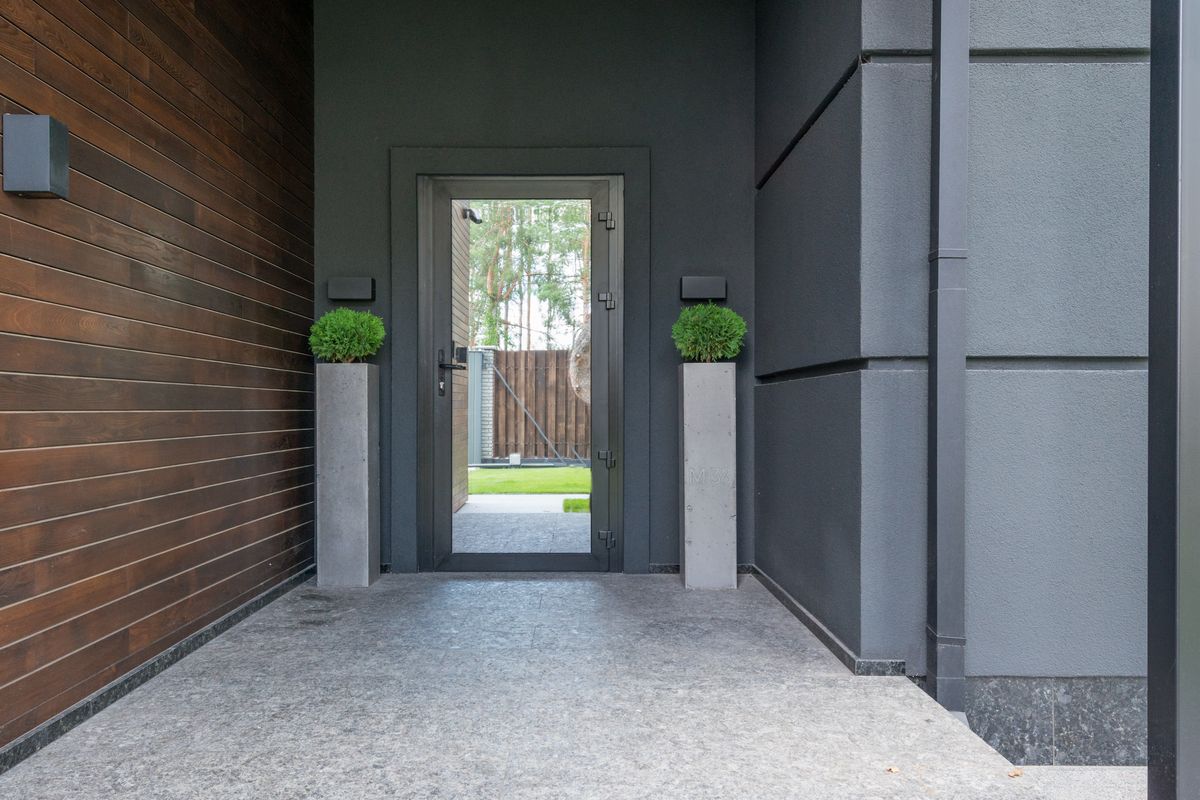
Emergency lockouts
Keys inside, a self-locking Yale slammed shut, an elderly parent stranded. We open non-destructively — picks, decoders and bypass tools before any drill.
emergency locksmithLock changes & replacement
After a break-in, a tenancy change or a lock at the end of its life. Euro cylinders, mortice cases and rim locks carried on the van — most swaps done in one visit.
lock change specialistsLock repairs
A stiff cylinder, a door that won't latch, a gate lock seized after a storm. Repair-first is cheaper and greener — we quote both options before any tools come out.
lock repairRekeying
Change the pins so old keys stop working while the lock stays on the door. The right call when you've lost track of who holds a key — faster and cheaper than replacing.
rekey the lockHigh-security locks
Graded for pick, drill and bump resistance, with restricted key profiles. On an exposed front door it turns a two-minute break-in into an attack most opportunists won't attempt.
high-security upgradeSmart locks
Matured from novelty to real security — for short-stay rentals and homes with rotating access. We fit models with a proper mechanical override, not plastic units with a radio.
smart-lock upgradesBurglary repairs
Property secured before nightfall: immediate lock replacement, frame repair where possible, temporary boarding, and a written record for your insurer.
emergency lock changeCommercial & master key
Tenancy-change re-keys, restricted keyways and master schedules for offices, retail and body corporates — planned around your trading hours.
commercial security expertsAutomotive & safes
Roadside lockouts and ignition faults handled at the vehicle, and safe opening when a combination is lost — non-destructive first, drilling only as a last resort.
automotive locksmithThis guide is written by working locksmiths who spend their days across the peninsula, and its purpose is simple: to explain, in plain language, every part of the trade you might ever need — so you know exactly what to expect the day you pick up the phone. Most Cape Town households meet a locksmith through an emergency; most businesses through planned work; and almost everyone eventually needs the automotive or safe side.
If you arrived here mid-emergency rather than mid-research, skip the reading and go straight to the 24 hour locksmith near me page, which lists all eighty-one suburbs we cover and sends you to the one you are standing in.
Emergency lockouts
The most common call we take is the classic lockout: keys left inside, a self-locking Yale slamming shut on a windy afternoon in Camps Bay, or an elderly parent who lost a set on the way home. Our first response is always non-destructive — picking, decoding or bypassing the lock so you walk back inside with nothing damaged and nothing to replace. This is exactly what the emergency locksmith team is built for, and it is why our vehicles carry decoders, picks and bypass tools rather than just drills.
Lock replacement and lock changes
Lock replacement happens for three main reasons: a break-in, a change of tenancy, or a lock that has simply reached the end of its working life. After a burglary the priority is a like-for-like fit that restores security immediately; after a tenancy change the goal is a fresh key that no former holder can use. Our lock change specialists carry euro cylinders, mortice cases, rim locks and high-security replacements in the van, so most swaps are finished in a single visit.
Lock repairs
Not every failing lock needs replacing. A stiff cylinder often comes back to life with a strip, clean and the correct lubricant. A door that slams but won't latch is usually a strike-plate alignment issue, not a broken lock. A gate lock that jams after every winter storm is almost always corrosion — treatable, not terminal. Repair-first is cheaper and greener, and a good locksmith gives both options with a price on each before any tools come out.
Rekeying
Rekeying means changing the pins inside your existing lock so the old keys no longer work, while the lock body stays on the door. It's the right choice when the lock is in good condition but you've lost track of who holds keys — a departed helper, a builder, a previous tenant. It's faster and cheaper than a full replacement, and for compatible cylinders it's done at your door.
Deadlocks, mortice locks and euro cylinders
South African doors use a wider mix of lock types than most markets: mortice sashlocks on solid timber front doors, euro cylinders on aluminium and modern security doors, night-latches on secondary entrances, and deadbolts as a stand-alone second line. Mortice locks are strong but need proper installation into the door edge; euro cylinders are modular but must be sized correctly to resist snapping attacks; deadbolts add real resistance to forced entry, but only if they're engaged. Choosing the right combination is half the job — something we walk clients through on site rather than over the phone.
High-security locks
High-security cylinders are graded for pick, drill and bump resistance and use restricted key profiles that can't be reproduced at a corner kiosk. For homes in areas that see repeat opportunistic attempts — parts of the CBD, the Atlantic Seaboard, and the southern suburbs around Newlands and Claremont — a high-security upgrade on the front door is one of the highest-value investments you can make. With a well-fitted strike plate and a solid door, it turns a two-minute break-in into a several-minute attack most opportunists won't attempt.
Smart locks
Smart locks have matured from novelty to genuine security product, especially for short-stay rentals and homes with rotating cleaners or carers. The good ones combine a proper mechanical cylinder with app, keypad and fob control, so you keep a physical key as a fallback. The bad ones are plastic units with weak internals and a Bluetooth radio, and shouldn't be trusted with your only front door. If you're considering one, we'll tell you honestly whether the model on your list is worth installing.
Burglary repairs
After a break-in the priority isn't aesthetics — it's getting the property properly secured before nightfall. Our burglary response covers immediate lock replacement, frame repair where possible, temporary boarding when a door is beyond repair, and a full written record for your insurer. We also walk the rest of the property with the owner and flag other weak points, because the same crew often tries the same building twice.
Broken keys and jammed locks
A key that snaps in the lock is almost always the last stage of a long problem — a worn key in a worn cylinder that finally gave up. In most cases we extract the broken half, get you a working key, and have you back on your way in under an hour. A jammed lock is trickier: sometimes a pin issue, sometimes door alignment, sometimes a broken cam inside the case. We diagnose before we drill, and drill only when there's no other route in.
Commercial security and office locks
Commercial work is a large share of what we do across the Foreshore, the V&A Waterfront, Century City and the Bellville business corridor. The typical office job is a tenancy change: locks re-keyed or replaced, spare keys logged, a fresh master schedule handed to the office manager. Retail work leans toward strengthening — proper deadbolts on back doors, alarmed padlocks on rolling shutters, drop-bolts on double doors. Our commercial security experts work around your trading hours so the shopfloor is never disturbed.
Master key systems
A well-designed master key system lets a building manager open every door with a single key while every tenant, cleaner and contractor only reaches the rooms they need. Done properly it saves hours of key-juggling every week; done poorly it becomes a liability the moment one master goes missing. We plan the hierarchy on paper first, choose a restricted keyway so keys are only issued on our authority, and document the whole schedule before a single cylinder is pinned.
Automotive locksmith work
Modern vehicles have made automotive locksmithing a specialised trade. Most cars on Cape Town roads now use transponder or remote keys paired to the car's immobiliser. Our automotive locksmith services cover transponder programming, remote fob replacement and roadside lockouts — for most makes on the road, at the vehicle, without a dealership tow.
Transponder keys, ignition repair and safes
Transponder key work is the majority of modern automotive call-outs — adding a spare, replacing a lost key, or reprogramming after a battery change. Ignition repair covers everything from a worn wafer to a fully seized barrel; a good roadside diagnosis often saves the cost of a full swap. Safe work is its own specialism: opening a domestic safe when the combination is lost, servicing an office safe that's stopped accepting the code, or supplying and installing new units. If you're choosing a safe for the first time, our safe opening specialists will size it to what you actually need to protect.
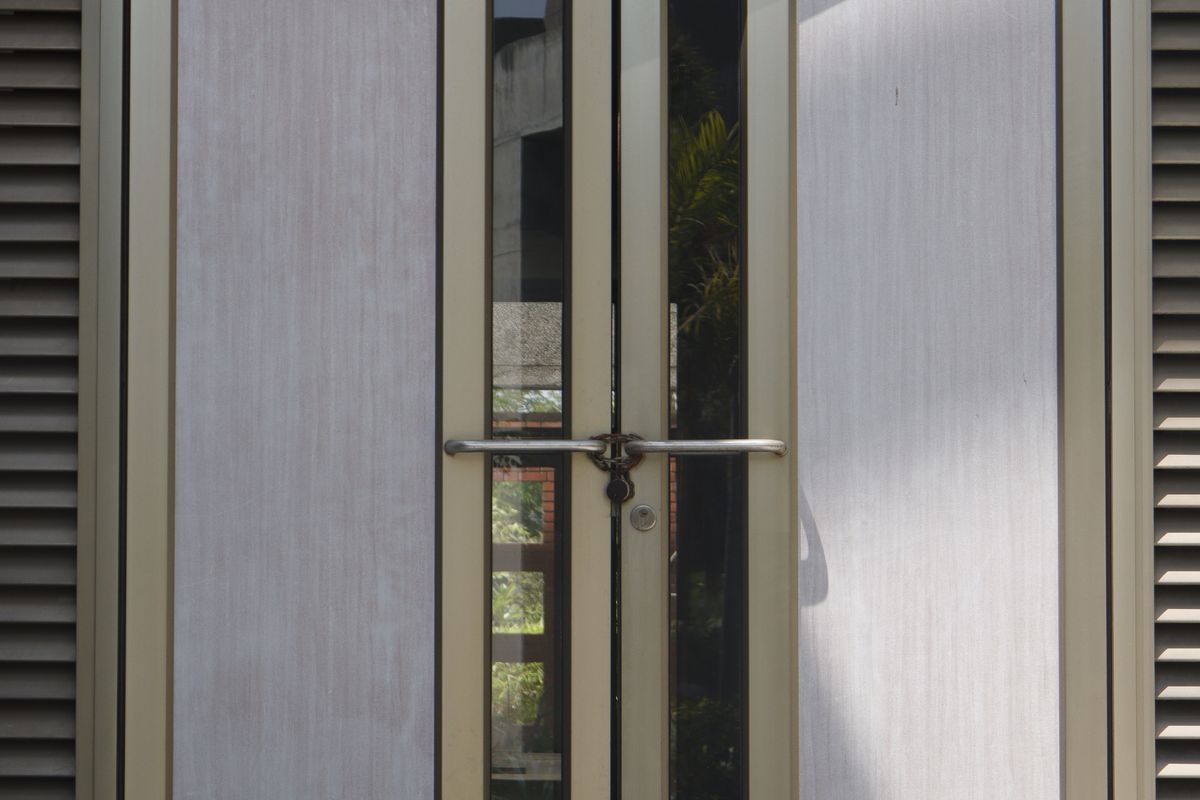
Common locksmith problems we solve every day
These situations make up the bulk of our daily work across the city. Find yours, see what we do on site — or just call and describe it.
Lost house keys
Assume the worst if they went missing near the property. A same-day rekey or cylinder change — not just a new spare — restores peace of mind before the day ends.
Locked out of the house or flat
Usually a self-locking Yale that closed behind you. Nine times out of ten we're in without a mark on the door, using picks and bypass tools rather than a drill.
Broken key in the lock
Never fish it out with tweezers — you push it deeper. We extract it cleanly with fine tools, and if the cylinder was worn we'll tell you before it fails again.
Snapped key in the front door
A common winter problem when timber swells and the door binds. The fix is often two-part: extract the key and correct the door alignment so it stops fighting the lock.
Lock spinning in the door
A cylinder that turns freely usually means the retaining screw or cam has failed. We open the door without further damage and replace the failed component.
Door won't lock
Normally a strike-plate or alignment issue, not a broken lock. We shim or move the keeper so the deadbolt slides home cleanly — before it snaps the bolt.
Key won't turn
A worn key, a fouled cylinder, or the wrong key entirely. We test all three in order; most cases are a strip, clean and a working key, same afternoon.
Safe locked, combination lost
Domestic and small office safes open without destruction where the paperwork or serial exists. We manipulate or scope the lock — cutting is a last resort, and we tell you first.
Car locked or key lost
A completely lost car key with no spare is now a routine roadside job. We handle most makes at the vehicle, so a dealership tow is rarely needed.
Ignition problems
A worn barrel announces itself early — a jiggle to start, sticking in one position. Caught early it's a barrel swap; left alone it's a tow. A roadside check tells you which.
Lost house keys
The safest response is to assume the worst — that whoever finds them also knows the address, especially if they were lost near the property. In practice that means a same-day rekey or cylinder change, not just a new spare. We handle this constantly in Green Point and Sea Point where keys disappear on the promenade or in a taxi; a quick lock change or rekey restores peace of mind before the day ends.
Locked out of the house or flat
The typical lockout is a self-locking Yale that closed behind someone stepping out to a car or a bin. Nine times out of ten we get in without a mark on the door. A qualified 24-hour locksmith has picks, decoders and bypass tools for the exact hardware most Cape Town front doors use — we very rarely need to drill.
Broken key in the lock
Never try to fish out a broken half with tweezers — you almost always push it deeper. We use fine extractors that hook the key without damaging the pins, then get you a working key. If the key snapped because the cylinder was worn, we'll tell you, because a new key in the same lock will fail again inside a year.
Key snapped in the front door
A snapped key at the front door is a common winter problem when timber swells and the door binds against the frame. The right fix is often two-part: extract the key and correct the door alignment so it stops fighting the lock. It's a repair we finish in one visit, and it saves the cost of replacing an otherwise healthy cylinder.
Lock spinning in the door
A cylinder that spins freely when you turn the key almost always means the retaining screw or cam has failed inside the door. Continuing to force it strips whatever is left. We open the door without further damage, replace the failed component, and — if the lock body is in good order — reuse it.
Door won't lock
A door that closes but won't lock is usually a strike-plate or alignment issue, not a broken lock. We shim, plane or move the keeper so the deadbolt slides home cleanly and stays home. Ignored, a misaligned strike eventually snaps the bolt and turns a small repair into a full replacement.
Key won't turn
A key that pushes in but won't turn is usually one of three things: a worn key, a fouled cylinder, or the wrong key entirely. We test all three in that order. In most cases a strip, clean and a working key has the lock going again the same afternoon.
Safe locked and the combination lost
Domestic and small office safes can almost always be opened without destruction if you have the paperwork or serial number — most manufacturers keep a change-key record we can request. Where that fails, our safe opening specialists manipulate the wheels or scope the lock rather than cutting the door. Cutting is a last resort and we always tell you first.
Car key lost
A completely lost car key — with no spare — is now a routine roadside job. We replace and program the key to the vehicle's immobiliser at the car. Our car key replacement experts handle most makes on the road, so a dealership tow is rarely needed.
Ignition problems
A worn ignition barrel usually announces itself weeks before it fails — the key needs a jiggle, the barrel sticks in one position, the steering lock releases slowly. Catching it early means a barrel swap. Leaving it means a tow. A quick roadside inspection tells us which stage you're at.
Remote and smart key programming
Replacement fobs, extra remotes and post-battery reprogramming are done on site with the correct diagnostic gear. The key point is that a fob is only as useful as the programming behind it — a blank without programming opens the door but won't start the car. We always test both before we hand it back.
Recognise your problem above?
A real locksmith answers, dispatches the closest mobile unit and quotes you before any work begins. Day, night, weekend or public holiday.
Choosing the right lock for your property
The right lock depends on the door, the traffic and the climate. Here's the honest baseline for each situation.
Residential locks
A graded euro cylinder or mortice sashlock up front, a deadbolt as a second line, matching hardware on the back. The classic mistake is a good lock on a thin, hollow-core door.
residential locksmith teamCommercial locks
Grade-1 cylinders, panic hardware for fire exits and locks certified for high-traffic use. Domestic units in a shop or office fail within months.
commercial securityHigh-security & restricted keys
Restricted blanks are only supplied through the fitting locksmith, on written authority. Combined with a graded cylinder you get physical resistance and complete key control.
high-security locksDeadbolts
The cheapest meaningful upgrade there is. Fitted with long screws into the frame stud — not the architrave — it adds real forced-entry resistance for a fraction of a new lock.
Smart & digital locks
Best on rentals and doors handed to many people. Choose a real mechanical override, an offline keypad, and a maker that'll still exist in five years.
smart-lock installationGate, garage & sliding-door locks
Outdoor locks take the full force of the salt air — marine-grade bodies last many times longer. Sliding doors need anti-lift blocks; window locks should be keyed alike per room.
Residential locks
For most Cape Town homes the sensible baseline is a graded euro cylinder or mortice sashlock on the front door, a deadbolt or night-latch as a second line, and matching hardware on the back. The single most common mistake we see is a good lock on a poor door — an expensive cylinder in a thin, hollow-core door offers little real resistance. Our residential locksmith team assesses the door before recommending hardware.
Commercial locks
Commercial hardware has to survive far more use than domestic — thousands of cycles a week rather than dozens. Grade-1 commercial cylinders, panic hardware for fire exits, and mortice locks certified for high-traffic use are the norm. Cheaper domestic units installed in a shop or office fail within months.
High-security cylinders and restricted keys
A restricted key system means blank keys are only supplied through the locksmith who fitted the system, on written authority from the registered holder. Combined with a properly graded cylinder, this gives you both physical resistance and complete key control — which matters more than most owners realise, because most "unsolved" security incidents are quietly enabled by a spare key in the wrong hands.
Deadbolts
A deadbolt is your cheapest meaningful security upgrade. Fitted correctly, with a long screw into the frame stud rather than the architrave, it adds real forced-entry resistance to any door for a fraction of the cost of a new lock. Fitted badly, it's theatre.
Smart and digital locks
Smart locks earn their place on rental properties, doors handed to multiple people, and homes where a physical key keeps getting lost. Choose a model with a real mechanical override, an offline keypad option, and a manufacturer that will still exist in five years. Digital keypads without a mechanical fallback are a call-out waiting to happen.
Gate, garage, sliding-door and window locks
Gate locks in Cape Town live outdoors and take the full force of the salt air — a marine-grade cylinder or a well-shielded lock body outlasts a domestic unit many times over. Garage doors are best secured with a proper T-handle plus a floor-bolt where the garage connects into the house. Sliding doors need anti-lift blocks as well as a lock, and window locks should be keyed alike across a room so escape in a fire isn't blocked by a hunt for the right key.
Security advice for Cape Town homes & businesses
Different properties fail in different ways. Find the one closest to yours.
Apartments & townhouses
In Sea Point, Green Point and the Foreshore the weak point is rarely your flat door — it's the common entrance, a wedged fire door, a parking gate that never quite closes. Push the body corporate, and rekey on move-in.
Houses & estates
Freestanding homes in Constantia, Bergvliet, Newlands, Bellville and Durbanville share a pattern: side gates, garden gates and garage side doors ignored while the front door is over-secured. Bring the perimeter up to standard.
Short-stay & Airbnb
Guests change weekly and keys walk off. A smart lock with a mechanical fallback and a scheduled code per booking is usually the answer, backed by a locksmith on call.
Retail, offices & warehouses
CBD, Claremont and Century City losses are overwhelmingly after-hours entries through back-of-house doors. Upgrade the least-visible entry first, then the shopfront.
Clinics, schools & property managers
Controlled access to drug storage, staff-only zones with an audit trail, knowing exactly who holds what per unit. Each is a master-key problem, solvable in one planning session.
Preventing burglaries
A large share of burglary jobs involve locks that were 'meaning to be replaced'. If your front-door cylinder is ten years old, budget for it this year — cheap, and highly effective.
Apartments and townhouses
In apartment buildings across Sea Point, Green Point and the Foreshore, the weak point is almost never the front door of the flat — it's the common entrance, the fire door held open with a wedge, or the parking gate that never quite closes. Push the body corporate on the common-area doors and rekey your own flat on move-in as standard practice.
Houses and estates
Freestanding homes in Constantia, Bergvliet, Newlands, Bellville and Durbanville share a common pattern of risk: side gates, garden gates and garage side doors that get ignored while the front door is over-secured. Bring the perimeter up to the standard of the front door and burglary attempts fall dramatically. Any competent residential locksmith walks the whole perimeter with you, not just the front. The pattern repeats in the newer West Coast suburbs — a Table View garage store holding bikes, boards and watersport kit is often the softest target on the property, and the door into it is rarely the one people upgrade.
Short-stay rentals and Airbnb
Short-stay properties have unique needs: guests change weekly, keys walk off, and a lost set on a Saturday night is an emergency. A smart lock with a mechanical fallback and a scheduled code per booking is usually the right answer, backed by a locksmith on call for the handful of nights it fails.
Retail, offices and warehouses
Retail losses in the Cape Town CBD, Claremont and Century City are overwhelmingly after-hours break-ins through back-of-house doors. Upgrade the least-visible entry first, then the shopfront. Offices and warehouses benefit most from a properly designed master key hierarchy so that departing staff can't quietly retain access to rooms they no longer need.
Clinics, schools and property managers
Medical clinics need controlled access to drug storage and patient records; schools need staff-only zones with an audit trail; property managers need to know exactly who holds what for every unit. Each of these is a master key problem, and each is solvable in a single planning session with the right restricted keyway.
Preventing burglaries and upgrading old locks
A very large share of the burglary jobs we attend involve locks that had been "meaning to be replaced for a while". Old hardware wears; screws work loose in the frame. If you haven't replaced your front-door cylinder in ten years, budget for it this year — it's one of the cheapest and most effective security upgrades available.
Why locks fail in Cape Town
Cape Town is unusually hard on locks. Salt air rolls in off the Atlantic, and the summer south-easter dries and re-moistens timber doors every day. Locks that would last twenty years in a drier climate can be tired inside seven. These are the five reasons we see most.
Salt air, corrosion & rust
Any lock within a few kilometres of the coast takes salt corrosion. Corroded pins make the key feel gritty long before it jams. Marine-grade components solve it at fit time.
Cheap hardware & poor installation
Many 'broken lock' call-outs are badly installed locks — screws into architrave, cylinders sized wrong, strike plates cut short. Even good hardware fails fast when fitted carelessly.
Wear, door movement & heavy use
Every turn wears the pins and blade. Commercial doors reach that limit in a couple of years, domestic front doors in five to ten. A settling frame forces the lock against resistance it was never built for.
Old keys & weather
A worn key in a healthy lock is often what actually snaps. The fix is fresh keys, not endless use of a worn original. Winter wet and summer grit accelerate every failure.
When to repair vs replace
Repair when the body is sound and one part failed. Replace on widespread wear, too-low a security grade, or any incident where a key may be in unknown hands. We quote both where both are viable.
Salt air, corrosion and rust
Any lock fitted within a few kilometres of the coast is exposed to salt corrosion. Internally, corroded pins and springs cause the key to feel gritty long before the lock jams. Externally, corroded escutcheons and handles can seize onto the door. Marine-grade or stainless components solve this at fit time; a regular strip-and-lubricate service extends the life of what you already have.
Cheap hardware and poor installation
A large share of "broken lock" call-outs are actually badly installed locks — screws into architrave rather than framing, cylinders sized incorrectly for the door, strike plates cut short. Cheap hardware fails faster than good hardware, but even good hardware fails fast when installed carelessly.
Wear, door movement and heavy usage
Every turn of a key wears the pins and the key blade a little. Commercial doors reach that limit in a couple of years; domestic front doors in five to ten. Doors that move — because a frame has settled, or timber has swollen — force the lock to work against resistance it was never designed to, and failure follows.
Old keys and weather
A worn key inside a healthy lock is often what actually breaks: the key deforms, jams in the plug, and snaps at the shoulder. The fix is fresh keys, not continuing to use an already-worn original. Weather changes — the winter wet, the summer heat, the wind-driven grit — accelerate every one of the failures above.
When to repair, when to replace
Repair is the right call when the lock body is in good order and only one component (a spring, a pin stack, a cam) has failed. Replacement is right when corrosion or wear is widespread, when the security grade is too low for the door it protects, or after any incident where a key may be in unknown hands. When we quote, we quote both options where both are genuinely viable — and we tell you which we'd fit in our own home.
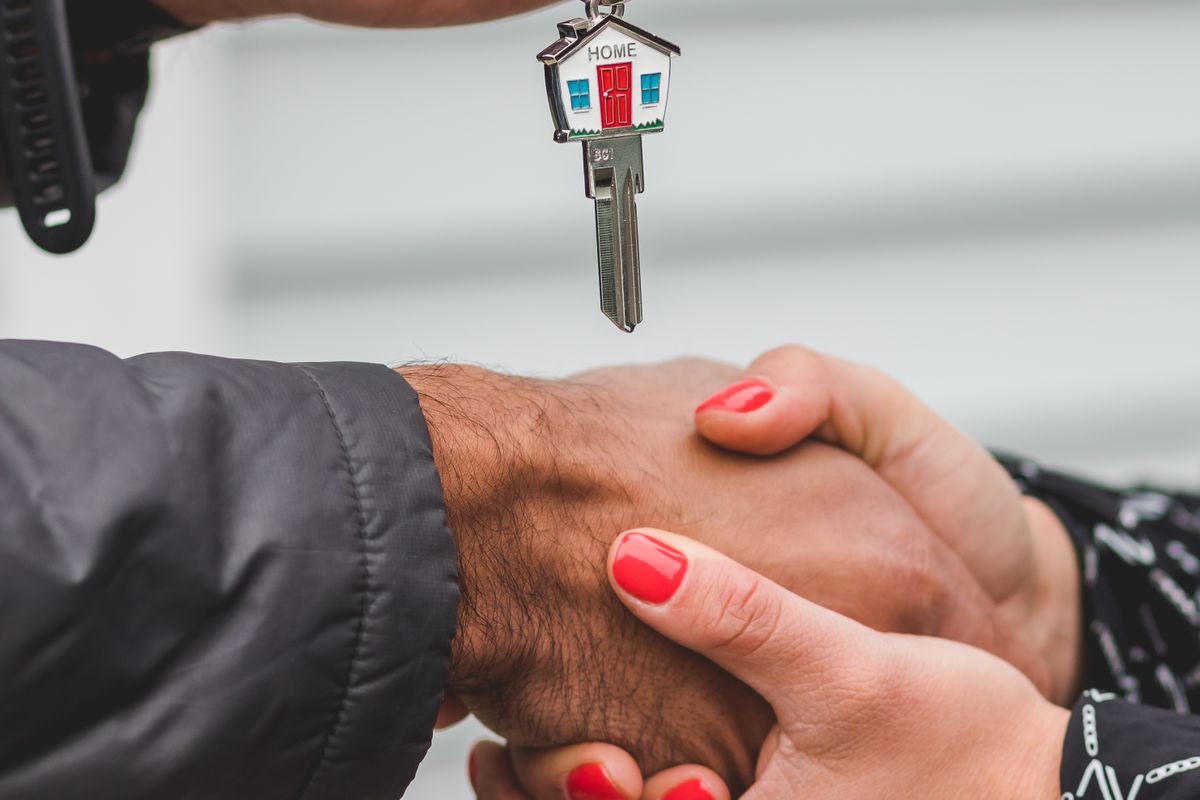
Our professional locksmith process
The same eight steps on every job — from the first call to a locked-up door, done right.
- 01
Call
A real locksmith answers — never a call centre. We ask where you are, what door or vehicle, and what's happened, so the right van arrives with the right stock.
- 02
Dispatch
The nearest mobile workshop is sent immediately. CBD, Gardens and the Atlantic Seaboard usually see a unit in 20–30 minutes; further out, allow a little longer at peak.
- 03
Arrival & inspection
The technician introduces themselves and inspects the lock or door before starting. That inspection is what separates a fair quote from a guess.
- 04
Written quote
Given before any work begins, itemised. Nothing is added to the invoice that wasn't quoted — unless we find a genuine surprise, in which case work stops and you decide.
- 05
Repair or replacement
Done to manufacturer spec with the right tools and components. No improvising with the wrong cylinder length or screws — small compromises cause failure a year later.
- 06
Testing
Every lock is cycled with the key, then the thumb-turn, then open and closed, then under a light forced-entry test where relevant. If it doesn't pass all four, we don't leave it.
- 07
Security advice
Before we go, we walk you through what was done and flag other weak points on the property — without pressuring an unnecessary upsell.
- 08
Warranty
Parts and labour carry a written warranty. Anything that was our work and fails within the period, we come back and fix at our own cost — no argument.
Planning an upgrade, or locked out right now?
One call covers it — emergency response, lock changes, security upgrades, commercial and automotive. Quoted upfront, finished on the first visit.
Brands we work with
We're not tied to one manufacturer — the right lock for a Camps Bay glass door isn't the right lock for a Wynberg cottage. Here's where each brand earns its place.
The workhorse of SA residential hardware — good value, widely available, easy to service. Standard front doors, night-latches and mid-tier smart locks.
A step up in build quality on mortice and euro cylinders — our common choice for better security without a fully restricted keyway.
A familiar sight on commercial and institutional doors — schools, older offices, body corporates. Built for high-traffic reliability.
Serious commercial hardware — high-grade cylinders, master-key platforms and access control. Restricted keyways with a documented hierarchy.
Our default high-security cylinder for maximum pick, drill and bump resistance with tight key control. Common on Atlantic Seaboard homes.
Padlocks, chains and gate hardware — the outdoor, high-abuse end. Fitted heavily on gates, storage and anything facing the coastal weather.
Two guides worth five minutes before you call a locksmith in Cape Town
Written the way we talk on the phone. Half the calls we take could have been shorter, and a few could have been avoided.
Locksmith Cape Town: what to try before you call one starts with a sixty-second key test that names your fault, then the six things a locksmith would try before reaching for tools, what a call-out really involves, what you should expect to pay, and seven ways to tell a real locksmith from a lead-generation phone number.
24 hour locksmith Cape Town: what to do at 2am before you call is the night version: where to wait, the three things that end most night lockouts while you are still on the phone, what genuinely changes after dark, the security-gate problem every Cape Town house has, and how to avoid the wrong number at the worst hour.
Frequently asked questions
Quick answers to what Cape Town residents and businesses ask us most. Need something not covered here? Reach out — a real locksmith will help.
Our mobile units are dispatched the moment you call, with most jobs reached in 20 to 40 minutes depending on your suburb and time of day. CBD, Atlantic Seaboard and Southern Suburbs typically see the fastest response, while suburbs further along the N1 or out toward Durbanville take slightly longer during peak traffic.
Yes. We answer emergency calls around the clock, including weekends, public holidays and through the night. A real locksmith — not a call centre — picks up the phone, takes your details and dispatches the closest mobile unit straight to you.
In the vast majority of lockouts we use non-destructive techniques — picking, decoding, or bypassing — that leave your door, frame and lock fully intact. Drilling is a last resort, used only when the lock is already broken or there is no other safe path inside.
Pricing depends on the time of day, your suburb and the work involved, but we always quote before any work starts — no surprise add-ons at the end. Standard residential lockouts during working hours are our most affordable jobs; after-hours emergency call-outs and specialist automotive work cost more.
Yes. Our automotive locksmiths carry the diagnostic equipment needed to replace and program keys at your car. For most makes we can have a new key in your hand without a tow to the dealership — including transponder, remote and smart keys.
We specialise in commercial security for offices, retail, body corporates and industrial premises across Cape Town. That includes master key systems, restricted keyways, high-security cylinder upgrades, scheduled lock servicing and emergency after-hours response.
Usually yes. Rekeying reuses the existing lock body and only changes the internal pins, so you pay for labour and a set of new pins rather than a new cylinder. If the existing lock is old, worn or below the security grade we would recommend for that door, a full replacement is the better spend.
Regularly. After a burglary we provide a written report of what we found, the parts fitted and the labour billed, in a format insurers accept. If your policy requires specific security standards, we will match or exceed them and note it on the report.
Yes, and it is one of the highest-value upgrades most homes and offices can make. We size the correct cylinder length for your door, fit a graded high-security unit with anti-snap and anti-bump protection, and issue restricted keys that cannot be reproduced at a corner kiosk.
Yes. We carry blank transponder shells and pair the transponder to your car's immobiliser using diagnostic equipment at the vehicle. For most vehicles on Cape Town roads we finish the job at the car in a single visit.
We install smart locks selected for real-world reliability, meaning models with a proper mechanical override, a durable cylinder and a manufacturer likely to still exist in five years. We can also service and reprogram most smart locks other installers have fitted.
Yes. For domestic and small commercial safes we use manipulation, scoping and — where the manufacturer can provide it — the change-key record to open the safe without destruction. Drilling is only used when non-destructive methods are exhausted, and always with your written consent.
We do — home safes, office safes, hotel safes and gun safes. Before we quote we ask what you want to protect, how much space you have and where you want it fitted, because the right safe depends far more on those answers than on the price on the box.
As a rule, isolated failures — a single stuck pin, a worn strike plate, a broken cam — are worth repairing. Widespread wear, corrosion, or any incident where a key may be in the wrong hands calls for replacement. Our technician will show you what they find and quote both options where both are genuinely viable.
Yes. We plan the hierarchy with you first — which staff open which doors, which need a submaster, and which need only a single key — then fit matched restricted cylinders across every door and hand you a documented schedule. Every future key request is logged against that schedule.
We do. Gate locks, garage T-handles, garage side doors, sliding-door hooks and anti-lift blocks all fall under residential and commercial locksmithing. These are also the components most damaged by Cape Town's salt air, so a scheduled service extends their life considerably.
Do not try to fish it out yourself — you will usually push the broken half deeper. Call us. We use fine extractors to remove the broken key without damaging the pins, then get you a working set the same visit.
Constantly. Rekeying on tenant change is standard practice for landlords, letting agents and body corporates — it cancels every old key without the cost of full replacements. We can also work through a portfolio of units on a scheduled basis.
Yes. A stuck or grinding ignition is almost always a worn barrel or a worn key. We can diagnose at the vehicle, and in most cases replace the barrel and get you a working key on site, which is far cheaper than a dealership tow and new immobiliser pairing.
Yes. A properly fitted deadbolt is one of the most cost-effective security upgrades you can make, especially on older timber front doors and back doors. We fit long screws into framing, not into architrave, so the bolt actually adds forced-entry resistance.
The full metro — CBD, Atlantic Seaboard, City Bowl, Southern Suburbs, Northern Suburbs and the West Coast. That includes Sea Point, Green Point, Gardens, Camps Bay, Clifton, Constantia, Rondebosch, Claremont, Newlands, Bellville, Durbanville, Century City, Parklands and Table View among others.
Yes. Our emergency line runs 24/7. After-hours call-outs carry a modest premium reflecting the on-call time, but the price is always quoted before we start work — never after.
In almost every case, yes. Our priority after a burglary is to leave the property properly secured before you go to bed. Where a door or frame is beyond same-night repair we can board it securely and return with a permanent fix the next working day.
Yes. Our locksmiths are trained on the hardware we install, and the business is insured for the work we do. We can provide references on request, and for commercial clients we are happy to complete vendor onboarding paperwork.
Three moves cover most of it: replace a tired front-door cylinder with a graded high-security unit, bring your back and side entrances up to the same standard as your front, and fit real deadbolts screwed into framing. If you would like a walk-through, we can quote a full security assessment.
Need a locksmith in Cape Town right now?
A real locksmith picks up the phone, dispatches the closest mobile unit and gets you a clear price before any work begins. Day, night, weekend or public holiday — we're already on the way.