Lock change services
How many people can open your front door? Most households cannot answer that.
Not because anything went wrong — because keys accumulate quietly. A set for the cleaner, one for a family member, one cut during a renovation, one handed to a neighbour for a fortnight in 2019 and never mentioned again. Nothing sinister happens; the number simply drifts upward until nobody could list it. Changing a lock is how you convert that unknown back into a number you actually know.
What you can expect
- 24/7 emergency response
- Mobile units across Cape Town
- Residential, commercial & automotive
- Transparent pricing
- Trusted by Cape Town locals
You are not buying hardware. You are buying a known number
A planned lock change almost never happens because a lock is bad. The mechanism is usually fine, the door shuts perfectly, and nothing is broken anywhere. What has broken is the record — the ability to say with confidence how many keys exist and who holds them. That is not a mechanical problem and it does not have a mechanical symptom, which is exactly why it gets postponed for years.
Once you frame it that way, the decision gets much easier. The question is not whether your locks are good enough. It is whether the number of people who could walk in is a number you chose, or a number that happened to you. For most households that have owned a property for more than a few years, the honest answer is the second one.
It also tells you when not to bother. If keys were locked inside the house rather than lost, nobody else has anything and no change is needed — anybody selling you one on that basis deserves a hard look, and what you actually wanted was a house lockout and nothing more. Equally, if a mechanism has been stiffening for months, that is a lock repair question rather than a key-control one, and the two get confused constantly. The moments that genuinely warrant it are specific and identifiable, and the rest of this page is about telling them apart from the ones that do not.
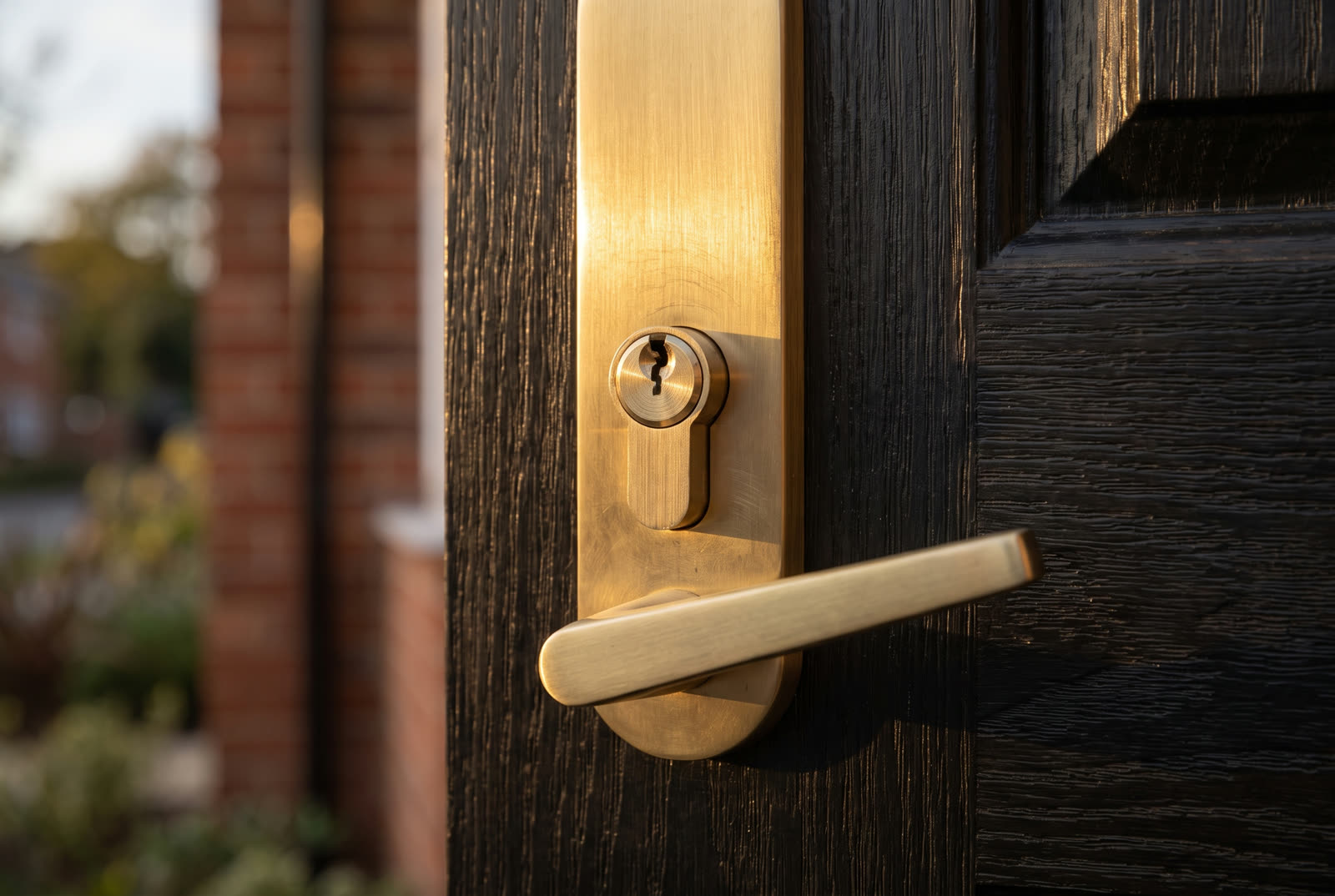
Six occasions genuinely worth changing for
Not a schedule. Specific events, each of which changes who can open a door.
You have just bought a property
The single clearest one. You inherited every key ever cut, and no register came with them.
Residential locksmithA tenancy has ended
The keys handed back are not evidence of the keys that were cut during the lease.
Emergency lock changeKeys lost outside the house
Especially with anything on the ring that points at where you live.
Emergency locksmithAfter a renovation or fit-out
Builders, subcontractors and site keys. Perfectly normal, and worth resetting afterwards.
Lock installationStaff or service providers have changed
Cleaners, agents and contractors accumulate access that nobody formally withdraws.
Commercial lock changeYou simply cannot list them any more
No incident, no drama. Just an honest admission that the count is gone.
Security lock upgradesWant to reset who can get in?
Tell us how many external doors and gates there are, and whether you would like them all on one key. That shapes the whole quote.
Rekey, replace cylinders, or replace the lock
These get used interchangeably and cost very different amounts. They are not the same thing.
Rekeying means keeping the existing lock and changing what key operates it — the internal pins are re-arranged to a new pattern. Nothing visible changes, the hardware you already own stays in the door, and every old key stops working. On healthy locks of reasonable quality this is the cheapest correct answer and it is frequently the one nobody offers you.
Replacing the cylinder means swapping the barrel that the key goes into, while leaving the lock body, handles and door untouched. It costs a little more than rekeying, it takes minutes, and it also has the effect of retiring hardware whose condition you cannot vouch for. This is the usual answer where the existing cylinders are cheap, worn, or of unknown vintage. It is also the sensible route where a security lock upgrade is wanted at the same time, since the new cylinder can simply be a better one.
Replacing the whole lock is for mechanisms that have genuinely failed, or that were never adequate for the door in the first place. It is the most expensive option and it is the one most often proposed unnecessarily. If somebody recommends it on a door where the lock works perfectly and only the keys are the concern, ask why — and consider getting a second view before agreeing.
What a planned change covers
Every barrier that leads inside, ideally in one visit and ideally on one key.
- Front, back, kitchen, scullery and garage side doors dealt with together.
- Security gates included, so a new door key is not paired with an old gate key.
- Existing locks rekeyed where the hardware is sound and worth keeping.
- Cylinders replaced where condition or provenance is genuinely unknown.
- Everything keyed alike where a household wants one key instead of five.
- Sectional-title units handled with the body-corporate boundary made clear.
- A stated number of keys handed over, so the count starts from something known.
- Straight advice on which doors did not need touching at all.
One key for the whole house is not a security compromise
A great many Cape Town homes run four or five different keys for their own external doors, for no better reason than that the locks were fitted at different times by different people. That is not more secure — it is the same security, carried awkwardly. Keyed-alike cylinders put every external door on a single key without weakening anything, and the practical result is that people actually lock the back door instead of leaving it because the key is annoying to find.
Where it does become a security question is key control. A key that any hardware counter can copy is fine for most homes and genuinely unsuitable for some: a let property, a shared building, a house with a lot of service providers coming through. That is where restricted or patented profiles earn their keep, because copies can only be authorised rather than simply requested. That conversation belongs with high security locks rather than with a standard change.
The last thing worth requesting is a number. However the work is done, you should end the visit knowing exactly how many keys exist, because the entire point of the exercise was to replace an unknown with a known. If you are handed an unspecified handful and nobody says the number out loud, the job has been done mechanically but not actually finished. A good residential locksmith states it without being asked. Where you are in the city also shapes the sensible answer, since exposure and property type differ enormously across the metro — the locksmith close to me page sets that out, and the locksmith in Cape Town overview runs through everything else we handle.
Count, decide, fit, hand over a number
Booked work, at a time you choose, rather than anything that has to happen tonight.
- 01
Count every way in
Doors, gates, and the garage side entrance nobody mentions until we walk round.
- 02
Rekey or replace, per door
Sound hardware gets rekeyed; unknown or worn hardware gets a new cylinder.
- 03
Keyed alike if you want it
One key for the whole house, which costs little and changes daily behaviour a lot.
- 04
A stated key count
You are told the number, out loud, because that was the point of the whole job.
A transfer nobody reset, five keys for one house, and a change that was not needed
Three planned jobs, one of which we advised against doing.
Eleven years since transfer
A household that bought over a decade ago has never changed anything. They are not worried, exactly, but the question of who might still hold a key has started to nag.
Between previous owners, their family, past tenants, two renovations and a series of cleaners, no answer existed. Rekeying the existing sound hardware across every external door cost far less than expected and replaced a shrug with a number.
Five keys, four of them unused
A family carries separate keys for the front door, the kitchen door, the security gate and the garage side door. In practice they use one and leave the others unlocked because finding the right key is a nuisance.
That is a security problem created by inconvenience rather than by hardware. Keyed alike onto a single profile, and the doors that had been quietly left open for years started getting locked again.
The one we said no to
Somebody locked their keys inside during a windy afternoon, got let back in, and phoned to arrange a full change because it had frightened them.
Nothing had been lost and nobody else had anything, so there was nothing to reset. We said so and did not take the booking. A change is worth money when it converts an unknown into a known — here the number had never been in doubt.
The half-measure that wastes money
Doing the front entrance alone, while the scullery, the garage side door and the gate all still answer to yesterday's keys, is the commonest version of this job and very nearly a waste of the money.
What you set out to pin down was the count of routes into the building. Leave any one of them answering to an old key and that count has not shifted at all.
Flats and sectional title
Your own unit door is yours to change. Common-area entrances, stores and gates usually belong to the body corporate, and a trustee or managing agent instructs work on those.
Getting that line straight before booking avoids an awkward conversation about who approves the job and who receives the invoice.
Lock change services
Replace tired or compromised locks — properly, today.
Whether you've lost a key, taken over a property, finished a tenancy or simply outgrown the locks the previous owner left behind, a clean lock change is the single most effective security upgrade most Cape Town homes ever make.
What you can expect
- 24/7 emergency response
- Mobile units across Cape Town
- Residential, commercial & automotive
- Transparent pricing
- Trusted by Cape Town locals
Why locks get changed
People rarely think about their locks until they suddenly need to. The trigger is almost always specific: a set of keys went missing, the new place came with a thick ring of unknown copies, a contractor took the spare home, a tenant moved out, the cylinder started sticking, or a break-in attempt left the hardware bent and unreliable. Each of those triggers points to the same answer — a properly fitted, modern lock that you control.
The main lock change scenarios we see
- New homeowners replacing every external cylinder shortly after moving in.
- Landlords resetting the property between tenants.
- Body corporates and estates standardising on a single, restricted keyway.
- Offices changing access after staff turnover, particularly key-holders.
- Homes upgrading from old non-rated cylinders to anti-snap, anti-bump hardware.
- Properties recovering from a break-in or attempted forced entry — usually paired with our emergency lock change service.
The locks we fit across Cape Town
Mobile workshops carry the cylinders, mortices, dead-locks, night-latches and multipoint hardware that fit the bulk of Cape Town homes — wooden front doors in Gardens, aluminium sliders facing the sea in Bantry Bay, steel security gates across the Northern Suburbs, glass shop doors in the CBD. If your door type needs a specialist part we don't carry on the day, we order it in and book a return at no extra call-out.
Hardware we use day-to-day includes high-grade euro profile cylinders with hardened cores, anti-snap sacrificial sections, restricted keyways for offices and estates, and full mortice replacements for older wooden doors. For specifics by door type and use case, see our pages on lock installation, security lock upgrades and high security locks.
How a lock change actually runs
The visit is straightforward and almost always finished on the day. The locksmith inspects the door, measures the existing hardware, and shows you the replacement options that physically fit your door — different price points, different security ratings, same-key options. Once you've chosen, the new cylinder or mortice is fitted, the strike plate adjusted if needed, and every new key tested in front of you before the locksmith packs up. Old cylinders are disposed of, not handed back, and you're left with a clean invoice and a known number of keys.
Common pairings
A good lock change is often two jobs in one. If a sticking handle is the real reason the lock keeps misbehaving, we'll fix that too — see lock repair. If the door has shifted in the frame, we'll adjust the strike plate. And if the door itself is on its last legs, we'll say so honestly rather than push you toward a replacement that won't help.
Residential, commercial and estate work
On the residential side most of our lock changes happen across Sea Point, Green Point, Gardens, Rondebosch, Claremont, Constantia, Bellville and Table View — but every suburb we cover gets the same response. Body corporates and estates often book lock changes as a coordinated job: matching cylinders across multiple unit entrances, scheduled outside business hours, with a clean key register handed over at the end. Office and retail lock changes are usually planned for outside trading hours so there's no disruption to customers or staff.
For business work in particular, a lock change is often the right moment to look at a master key system rather than handing out new sets of keys to every door. One key per person, opening the right doors for that person — and clear audit when keys change hands.
Pricing, parts and the day itself
We quote on price and on time before any work begins. Most residential lock changes during business hours fall into a predictable band; estate and commercial jobs are quoted per door and per cylinder grade. There are no charges for parts that aren't fitted and no labour added at the end for something that wasn't discussed at the door.
Related lock change services
- Lock InstallationProfessional installation of deadbolts, mortice locks and smart locks.
- Lock RepairWe repair sticking, broken and worn locks instead of replacing them.
- Security Lock UpgradesUpgrade older locks to modern high-security hardware.
- High Security LocksPick-resistant, drill-resistant locks for serious security.
- Master Key SystemsSingle-key access across multiple doors for offices and complexes.
- Emergency Lock ChangeAfter a break-in or lost keys — locks swapped on the spot.
Lock changes in popular Cape Town suburbs
- Sea PointLocksmith service across Sea Point's residential blocks.
- Green PointApartment, townhouse and business locksmith in Green Point.
- ConstantiaLocksmith service across Constantia's estates and homes.
- RondeboschLocksmith service across Rondebosch's homes and student housing.
- BellvilleBellville residential and commercial locksmith service.
- Table ViewLocksmith service for Table View homes and complexes.
FAQ
Signs the lock should be replaced, not left in service
A lock change becomes the sensible choice when the hardware itself has started to lose reliability or security. If the key turns with a rough grind, the cylinder feels loose in the door, the latch no longer lines up cleanly, or the mechanism has been forced and never quite behaved the same again, you are dealing with more than an inconvenience. Those are classic worn locks and, in many cases, compromised locks that no longer deserve another season of use. The same applies when a lock has been exposed to tampering, attempted entry, a snapped key, or repeated sticking that keeps getting worse. At that point, a quick fix may restore movement, but it does not restore confidence in the lock body, the cylinder, or the strike alignment.
Replacement is also the right call when the lock is simply mismatched to the door or to the level of protection you now need. A cheap latch on a busy front door, an old rim lock on a modern apartment entrance, or hardware that has been patched together over time can leave weak points that are easier to exploit. In those cases, proper lock replacement gives you a fresh, correctly fitted set-up rather than trying to make tired parts behave.
If you are unsure, an emergency locksmith in Cape Town can inspect the condition on site and tell you plainly whether the lock should be replaced. For many properties in Cape Town, that decision is the difference between keeping a vulnerable mechanism in circulation and restoring dependable security with a clean lock change.
When a lock change is the right call
Lock change services are about restoring control quickly, not waiting for a worn mechanism to fail at the worst moment. If keys have been lost, shared too widely, or never fully accounted for, changed locks after lost keys are the sensible answer because you no longer know who can still get in. The same logic applies after a move, a handover, or a tenant change lock replacement: even if the old lock still turns, the risk sits in the people who may still have access, not only in the hardware. A post-break-in lock change is another clear case, especially where the cylinder has been forced, the face of the lock has been damaged, or the property simply feels compromised after the incident.
In those moments, replacing the lock is less about appearance and more about resetting confidence in the door itself. Worn or damaged lock replacement also matters when a lock is sticky, loose, misaligned, or has begun to seize under normal use; once a mechanism reaches that point, continued use can leave you stranded outside or unable to secure the premises properly. A Cape Town locksmith can assess whether lock replacement is the fastest way to resolve the risk, or whether a like-for-like change is enough to bring the door back to a dependable state. For many households, offices, and managed properties in Cape Town, the decision is simple: if control, safety, or certainty has been lost, replace the locks now rather than gamble on an old mechanism for another week.
A lock change is really a security reset
A proper lock change does more than swap out a tired cylinder; it gives you back control over who can get in. That matters when lost keys may still be circulating, when a former tenant, contractor, cleaner, or employee may still have access, or when the existing hardware no longer gives you confidence that the door is truly protected. In practical terms, replacing compromised locks closes the gap between “who should have access” and “who might still have it,” which is why many Cape Town property owners treat it as a security reset rather than a routine repair. For a home, it can mean sleeping without wondering whether a missing key will turn up in the wrong hands. For a business, it means reducing exposure after staff changes, handovers, or an access trail that is no longer clear.
A locksmith Cape Town customers call for this service is not only fitting new hardware; they are helping restore accountability at the door itself. The same logic applies whether you need a locksmith in Foreshore managing a busy office entrance, a locksmith in Montague Gardens securing a warehouse or service unit, or a car locksmith dealing with vehicle access that can no longer be left to chance. When the old lock has become part of the problem, replacement is the clean way to reset access without relying on guesswork, hope, or a patchwork fix. It is a small intervention with a big consequence: fewer unknowns, less exposure, and a door that once again answers to you.
Rekey, repair, or replace: choosing the right call
Not every lock problem calls for a full lock replacement, and that is where good advice from a locksmith Cape Town property owners trust becomes valuable. If the body of the lock is sound but the cylinder is simply being reconfigured for new users, rekey vs replace is often the first question to ask. Rekeying can be the right fit when the hardware still performs properly and you mainly need to change who can operate it. Repair vs replace comes into play when the mechanism is still serviceable but a specific part, such as the latch, follower, or internal springs, has failed in an otherwise decent set-up. But if the lock is physically compromised, poorly matched to the door, or past the point where dependable operation can be restored, locks replacement is usually the cleaner and more reliable choice.
That is the practical answer to when to change locks: not just when something feels inconvenient, but when the cost of keeping the old unit no longer makes sense. A residential locksmith may recommend a simple lock change on a townhouse front door, while a commercial locksmith might advise replacing a high-use office lock that has reached the end of its serviceable life. In some cases, a locksmith in Parklands may even find that a targeted repair is enough for one access point, while the main entrance needs full lock replacement. The right call depends on how the door is used, how the hardware has aged, and whether the existing lock can still be trusted to do its job without repeated attention.
Why waiting turns a lock issue into a live risk
Delaying a lock change is rarely neutral. If the problem started with lost keys, an uncertain handover, or compromised locks, every extra day leaves the door in a weaker position than it should be. That is not just a security risk in theory; it can affect how you manage access control right away, especially in homes where family schedules are busy, offices with multiple users, or shared buildings where trust is assumed but not guaranteed. A tired lock can also become unpredictable under daily use, which means you may find yourself forcing it, jiggling it, or discovering too late that the mechanism has worsened since the call was made. For anyone comparing locks replacement options in Cape Town, the on-the-day consequence of waiting is simple: you stay responsible for a door that is no longer giving you the certainty you need.
In Green Point, a locksmith in Green Point may be called because one small delay after lost keys becomes a weekend of unease; in Clifton, a locksmith in Clifton is often asked to sort out access after a property has already been exposed for too long; and in Wynberg, a locksmith in Wynberg may be dealing with a lock that is still technically working but no longer trustworthy. The longer you postpone, the more you rely on luck instead of a proper fix. If you change locks promptly, you avoid that gap between suspicion and action. If you wait, you keep paying for uncertainty in convenience, peace of mind, and practical control every time someone turns the handle.
What a proper lock replacement includes
A professional lock change is a hands-on lock replacement service, not just a quick swap of one visible part. Once on site, the locksmith checks the door hardware compatibility, confirms the existing lock type, and makes sure the new lock installation will sit correctly in the door, frame, and strike area. That matters because a good result depends on the full fit: the lock must close cleanly, latch smoothly, and line up without forcing the door or leaving it rubbing. The old lock removal should be careful and tidy, with attention to screws, faceplates, cylinders, and any parts that need to be reused or adjusted so the door still operates properly after the change.
In practice, what a locksmith does when changing locks is remove the tired unit, install the new hardware on site, test it from both sides, and confirm the turn, throw, and catch all work as they should. For residential and commercial lock change jobs alike, the goal is the same: a secure, reliable door that feels solid again. In a flat or townhouse, that might mean one entrance set; in a shop, office, or shared property, it can involve several access points in one visit. If you need a locksmith in Century City, a locksmith in Camps Bay, or a locksmith in Claremont, the expectation should be the same professional finish: clean locks replacement, correct alignment, and a door that closes without fuss. When done properly, you do not just get new hardware — you get a lock that feels integrated, dependable, and ready for daily use.
What a low-disruption lock change feels like on site
A good door lock change service should make the property feel more secure without turning the day upside down. On arrival, the work is handled to protect the door, frame, and existing access routines as much as possible, so the person at the property is not left juggling a half-finished opening or a door that does not close cleanly. For homes, that means keeping the entrance usable while the locks replacement is completed and tested; for offices, estates, and shared buildings, it also means planning the handover so staff, residents, or contractors can keep moving with minimal interruption. That practical approach is what people really mean when they say change house locks: not a dramatic process, just a controlled reset of the hardware that matters most.
When the job is done properly, the door should operate normally, the new lock should feel settled rather than forced, and the property should be ready for everyday use straight away. The same principle applies whether someone calls to change locks after a tenancy, to replace a tired unit at a family home, or to restore confidence at a side entrance that sees constant traffic. A careful lock replacement also avoids unnecessary disruption to finishes and fittings, which matters on older doors and on newer properties where the hardware needs to look as good as it performs. That is why a locksmith in V And A Waterfront may approach a busy apartment entrance differently from a locksmith in Gardens working on a townhouse or a locksmith in Table View handling a busy family home: the goal is still the same, but the on-site rhythm should fit the property and the people using it. Done well, the result is straightforward control, not upheaval.
What a completed lock change should leave you with
A proper door lock change service is measured by the result at the door, not by the amount of fuss it caused on the day. When you change house locks, the finished outcome should be simple: the old lock is no longer in service, the new hardware sits correctly in the door, the latch and cylinder operate smoothly, and the property has a clear, documented point of control again. That is the practical promise behind lock replacement and locks replacement for homes, flats, and shared entrances in Cape Town. A good locksmith will also check that the new lock aligns with the strike, that the key turns cleanly without grinding, and that the door still closes and secures as intended from both sides. If there are multiple access points, the same standard should apply across them, so the change locks work does not leave one weaker entry behind.
For a safe locksmith appointment, you should be able to see the old unit removed, the replacement fitted neatly, and the final operation tested before the job is signed off. In areas like Sea Point, people often want a clean swap that preserves the look of the door; in Westlake, the priority may be a sturdier replacement that restores confidence after the original hardware has aged out. The aim is not just to install a new part, but to leave you with a lock that feels settled, secure, and ready for normal use. If you searched for a locksmith in Cape Town because you need a straightforward lock replacement rather than a vague security opinion, this is the outcome to expect: a working door, a dependable new lock, and a clear reset at the point where your home is actually protected.
What affects the price of a lock change
People often ask how much is a locksmith before they are really asking what their specific lock change will cost. The honest answer is that locksmith cost depends on the door, the hardware, and how straightforward the replacement turns out to be. A simple lock change price is usually lower when the existing unit is standard, easy to access, and being swapped for a like-for-like option. The cost rises when the lock type is more specialised, the door has unusual fittings, or the new hardware needs additional adjustment to sit and operate correctly. Material choice matters too: basic locks replacement can keep the job modest, while better-grade cylinders, handles, or multipoint sets increase the total.
If you need to change house locks on several doors, or combine a door lock change service with multiple access points at one property, the price is naturally different from a single front-door job. Location can also influence the final figure because travel time and access conditions affect the visit, whether you are dealing with a locksmith in Cape Town City Centre, a locksmith in Sea Point, or a locksmith in Bellville. The best approach is a clear quote based on the actual door and lock in front of you, not a vague estimate that changes later. That way, you know whether the work is a quick replacement or a more involved security upgrade before anyone starts.
Matching the new lock to the door you already have
A proper door lock change service is never just about bringing a new lock to the address and hoping it fits. The hardware has to match the door material, the existing cut-outs, the backset, the cylinder type, and the way the latch or deadbolt sits in the frame. On some timber doors, changing locks is straightforward because the body of the lock is already standardised; on others, especially older units or mixed fittings, locks replacement means checking whether the faceplate, spindle, keep, and cylinder profile all align before anything is removed. That is why a careful locksmith will first look at what can be preserved and what must be changed, rather than forcing a mismatch that leaves the door sloppy or vulnerable.
If a house lockout has damaged the edge of the door or bent the hardware, the replacement has to account for that too, not ignore it. The same applies to an office lockout, where access-control hardware, panic fittings, or shared-entry doors can affect what change locks options are actually suitable. In some properties, change house locks means replacing only the cylinder; in others it means swapping the full body because the mechanism, keyway, or fixings no longer suit the door. Even a locksmith in Bergvliet will often find that two doors in the same home need different hardware solutions because one is a modern multipoint setup and the other is a simple night latch. The point of changing locks properly is not to sell the same part everywhere, but to fit the right mechanism to the right opening so the door keeps working as intended after the upgrade.
What a lock change does not cover
A good door lock change service has a clear scope: the locksmith removes the compromised or tired lock hardware, installs the agreed replacement, and leaves you with a working set of keys for that unit. It does not mean rebuilding a damaged door, correcting major frame movement, or solving every issue that may be hiding behind a sticky latch or swollen timber. That matters when people search for locks replacement or ask to change locks, because the job is often simpler than a full security overhaul but more precise than a loose hardware swap. When you change house locks, the goal is to restore control at the door you named, not to redesign the whole entry.
For customers comparing options in Bantry Bay, a locksmith in Bantry Bay should be able to say plainly whether the issue is the lock itself or something outside the lock body. The same applies if you need a locksmith in Rondebosch for a flat door or a locksmith in Durbanville for a family home: the service should be targeted, practical, and limited to the agreed hardware. If you are looking for Locksmith Cape Town guidance before booking, this is the simplest way to think about it — a proper lock change near me request is about replacing the compromised unit cleanly, not promising unrelated carpentry, painting, or structural work.
What a lock change usually costs
People searching how much is a locksmith are usually trying to compare a quote with the job in front of them, and that is the right way to think about it. The cost of locksmith to change house locks is shaped by a few practical variables: the type of lock being replaced, whether one door or several need attention, the level of hardware chosen for the locks replacement, and whether the work is straightforward or involves extra time because the existing fittings are worn, damaged, or unusually secure. A simple door lock change service on a standard home door will naturally price differently from a commercial lock change on an access-controlled entrance, where stronger components and more careful setup may be needed.
Even location can influence the final figure, because a Locksmith in Cape Town arriving at a nearby address may quote differently from a longer cross-city callout or a late request for a lock change near me. The useful thing to remember is that pricing should be specific, not vague: a proper quote should explain what is included, what the replacement hardware will be, and whether you are paying for one lock or several. If you want to change house locks without surprises, ask for the scope in plain language before anyone starts work. That way you can compare like with like instead of guessing from a headline rate. For customers in the south peninsula, a locksmith in Westlake may be pricing a different access situation than a locksmith in Fresnaye, but both should still be able to give a clear, honest estimate before the job begins.
Choosing the right lock change service for the job
Not every call for changing locks in Cape Town needs the same solution, and the best locksmith Cape Town customers can choose is the one who matches the service to the property, not the other way around. A simple door lock change service is usually the right fit when the lock body is still sound and you mainly need fresh hardware at a home entrance, apartment door, or single office access point. A residential locksmith is often the better choice for change house locks in homes, flats, and gated complexes, where neat fitting, tidy finishes, and dependable everyday use matter as much as the hardware itself. A commercial locksmith makes more sense when the job involves staff access, shared doors, client areas, storage rooms, or multiple lock changes that need to work together across one site.
And if the situation is urgent, an emergency locksmith Cape Town callout is the right route when the lock has failed at the worst time or the door cannot be left unsecured until business hours. If you are comparing lock change near me options, focus on whether the provider is actually set up for the type of door, the number of access points, and the level of finish you expect. The right Locksmith in Cape Town should be able to explain, in plain language, why a standard replacement will do the job or why a more suitable locksmith service will save you trouble later. That is the difference between a quick fix and a proper solution that suits your property today.
Beyond the Basics: When Only a Full Lock Replacement Secures Your Peace of Mind
While rekeying offers a swift solution for lost keys, there are critical security reasons to change locks completely, especially in Cape Town where property security is a constant consideration. A full lock replacement becomes paramount when you’ve experienced a significant security breach, such as a break-in attempt where the lock itself was compromised, even if entry wasn't gained. In these scenarios, the internal mechanisms might be damaged or weakened, leaving you vulnerable. Similarly, after a property is sold, or a tenant vacates, changing locks entirely ensures that no past key holders retain access, providing an undeniable security reset for the new occupants. This is a fundamental benefit of lock replacement: it completely severs ties with any previous key distribution. If you're a new homeowner in areas like Camps Bay or Constantia, an emergency Locksmith Cape Town will advise that this proactive measure is non-negotiable for true peace of mind.
Furthermore, when locks are visibly worn, corroded from the coastal climate, or repeatedly malfunctioning despite minor repairs, the structural integrity of the entire unit is compromised. Continuing to rely on such hardware is a risk. Here, the benefits of lock replacement extend to enhancing durability and reliability. A reputable Locksmith in Cape Town will install modern, robust locks designed to withstand both environmental factors and potential tampering, offering a significant upgrade in your defence. This is more than just fixing a problem; it’s a strategic improvement in your overall security posture, something every property owner in Cape Town deserves. Don't wait for a complete failure; choose a lock change when the stakes are high, and your security demands an unequivocal solution from a local Cape Town Locksmith.
Beyond the Lock: When Your Security Needs a Full Door Audit
While a standard lock change is often sufficient to restore security after lost keys or property handover, sometimes the issue extends beyond the lock mechanism itself. As your trusted Locksmith Cape Town, we understand that true security is a system, not just a single component. If your door frame is weakened, showing signs of forced entry, or if the door itself has deteriorated around the lock housing, simply fitting a new lock won't fully address the vulnerability. A professional Locksmith in Cape Town will assess the entire door assembly, looking for points of weakness that compromise even the highest security lock. This comprehensive approach differentiates a quick lock swap from a genuine security upgrade.
Our mobile units, staffed by experienced Cape Town locksmiths, are equipped to not only replace locks but also advise on and implement solutions for compromised door integrity, reinforcing strike plates, or addressing issues with hinges that could be exploited. For properties across Cape Town, from residential homes to commercial premises, ensuring the door and frame are robust is paramount. If you're looking for a Locksmith near Cape Town who provides a holistic security assessment, rather than just a basic lock change service, we can help ensure your door system is truly secure, offering peace of mind that a simple replacement might not achieve.
Local Lock Change Services Across Cape Town's Neighbourhoods
When you need a lock change, convenience and speed are often just as important as security. That's why our mobile Locksmith Cape Town teams are strategically positioned to serve numerous suburbs, ensuring a swift and efficient response no matter where you are in the city. Whether you're in Bloubergstrand needing to change locks after a tenancy, or a business owner in Century City requiring an urgent security upgrade, our local Cape Town Locksmith is ready to assist. We understand the specific needs of each area; perhaps you're in the bustling heart of the CBD, or further afield in Table View, seeking to replace old, coastal-weathered locks.
Our service covers lock changes for homes, offices, and even sectional title complexes right across Cape Town.
From the vibrant streets of Claremont to the residential calm of Rondebosch, or the coastal communities of Sea Point and Camps Bay, a dedicated Locksmith in Cape Town can be dispatched promptly. We bring the necessary tools and a wide range of lock options directly to your door, minimizing disruption. So, if you're in Gardens, Wynberg, or any other Cape Town suburb and find yourself needing a reliable lock change service, trust us to provide expert, local assistance. Our goal is to make securing your property seamless, delivering peace of mind with every lock change we perform.
What a house lock change actually covers — and what it leaves alone
When you arrange a house lock change with a Cape Town Locksmith, the work is focused on the door hardware that controls entry, not on rebuilding the whole security setup. In practical terms, change locks on house means removing the tired or compromised lock components, fitting the agreed replacement, and leaving the door with a fresh, working lock that you control. That is why replacing locks on house is the right answer when the lock itself is the weak point, but it is not a fix for every security issue. If the frame is split, the door is badly warped, the latch is misaligned, or the problem sits elsewhere in the entrance, a residential locksmith may need to recommend separate repairs before a lock replacement can do its job properly.
The same applies when the issue is broader than one door: a commercial locksmith call is the better fit for offices, shared entrances, or access systems that need more than changing locks in the usual residential sense. And if the situation is urgent because you are locked out, dealing with a break-in, or trying to secure a property immediately after a key loss, an emergency locksmith Cape Town visit may be the fastest way to get safe access and then decide whether a full lock replacement is still the best move. A good Locksmith in Cape Town should explain that scope clearly so you know whether you need a simple change lock service, a more involved repair, or a wider security response. That keeps locksmith cost tied to the actual job, not to guesswork, and it helps you choose the right local Cape Town Locksmith for the door in front of you.
When a lock change is not the whole answer
A Cape Town Locksmith can solve a lot with a clean lock replacement, but not every access problem is really about changing the lock. If the door is swollen, the frame is out of alignment, the latch is broken, or the key is failing because the mechanism inside the door has a deeper fault, then a simple replacement may only hide the real issue for a short while. The same is true when the handle is loose, the multipoint system is binding, or the hardware has been forced after a break-in: a Locksmith in Cape Town may still change the lock, but they may also need to repair, realign, or inspect the rest of the entry before the result is dependable.
That is the practical difference in rekey vs replace decisions on a house, office, or unit. If you are changing locks on a house after a handover, or replacing locks on a house because old keys are no longer trusted, the job should restore control at the door — not leave you paying for a fix that does not address the cause. When a locksmith is not enough on its own, the right answer is a broader service, not a rushed swap. A local Cape Town Locksmith should be able to tell you plainly whether your problem is a straightforward lock change, a repair, or a more involved security issue. That saves time, avoids repeat callouts, and makes sure the lock replacement you book is the one that actually solves the problem.
Rekey vs replace: the quick decision that saves time
If you are comparing rekey vs replace, the simplest rule is this: changing the lock means fitting new hardware, rekeying means changing the key access inside an existing lock, and lock replacement covers the broader job of removing the old unit and installing a new one. For a house where the mechanism still works well, rekeying can be enough when you only need a fresh keying arrangement. But when the body is worn, the key feels unreliable, or the finish and security level no longer suit the door, replacing locks on house entries is the cleaner answer.
A local Cape Town Locksmith can look at the door, the cylinder, and the condition of the existing hardware, then tell you whether a simple change lock callout or a full lock replacement will give you the right result. That distinction matters if you are change locks on house after a handover, if you are dealing with changing locks after wear, or if you just want the reassurance that a Locksmith in Cape Town has reset the access properly. The best choice is the one that leaves you with dependable control, not the one that only seems quickest on paper. A reliable Locksmith Cape Town visit should make that decision clear before any work begins.
Change, rekey, repair, or replace: the plain-English difference
If you are trying to change lock hardware in Cape Town, the fastest way to choose well is to separate the job into four very different actions. A lock change usually means removing the existing lock and fitting new hardware in its place, which is the right call when you want a fresh lock on the door rather than a minor adjustment. Rekeying is different: the lock stays, but the internal pinning is altered so old keys no longer work. That can be useful when the body of the lock is still sound, but it is not the same as changing locks on a house or carrying out a full lock replacement. Repair sits in another category again. A repair is about making a lock work properly when the mechanism is sticking, loose, misaligned, or partly worn, while replacement is about fitting a new unit because the old one is no longer worth keeping.
For homeowners comparing rekey vs replace, the deciding factor is usually the condition of the lock itself: if the hardware is tired, damaged, or outdated, replacing locks on house doors is the cleaner answer; if the lock is still in good shape, rekeying may be enough. A Cape Town Locksmith should explain that difference clearly before any work starts, because the right solution for one door may not be the right solution for another. So when you ask for a lock change, make sure the conversation is really about the exact outcome you want: rekeying the existing lock, repairing what can still be saved, or replacing the lock completely with new hardware from a local Cape Town Locksmith.
Related services
- Lock RepairWe repair sticking, broken and worn locks instead of replacing them.
- Lock InstallationProfessional installation of deadbolts, mortice locks and smart locks.
- Security Lock UpgradesUpgrade older locks to modern high-security hardware.
- High Security LocksPick-resistant, drill-resistant locks for serious security.
- Residential LocksmithHome locksmiths trusted across Cape Town suburbs — lockouts, repairs, upgrades, installations.
- Emergency Lock ChangeAfter a break-in or lost keys — locks swapped on the spot.
Lock changes across Cape Town
- RondeboschLocksmith service across Rondebosch's homes and student housing.
- ClaremontLocksmith service across Claremont's homes and retail.
- Sea PointLocksmith service across Sea Point's residential blocks.
- DurbanvilleLocksmith service across Durbanville's homes and estates.
- Somerset WestLocksmith service across Somerset West's estates and town centre.
- Century CityLocksmith service across Century City's apartments and offices.
Frequently asked questions
Quick answers to what Cape Town residents and businesses ask us most. Need something not covered here? Reach out — a real locksmith will help.
It is the clearest case there is. You have inherited every key ever cut for that property, and no register came with the transfer — previous owners, their family, past tenants, cleaners, contractors and anybody given a spare for a fortnight years ago. Nobody can tell you the number. Changing it is inexpensive and it is the single most useful thing a new owner does.
Rekeying keeps your existing lock and re-arranges its internal pins so a new key works and every old one stops. Replacing the cylinder swaps the barrel while leaving the lock body and door alone. Replacing the whole lock is for mechanisms that have genuinely failed. They cost progressively more, and the most expensive one is the most often proposed unnecessarily.
Yes, and it is worth asking for. Most homes carry several different keys purely because the locks went on at different times, which is the same security carried awkwardly. Keyed-alike cylinders put every external door on a single key without weakening anything — and in practice people start locking the back door again instead of leaving it because the key was a nuisance to find.
Not on a schedule — at the moments that actually change who holds a key. A purchase, a tenancy ending, keys lost outside the house, a renovation finishing, or simply reaching the point where you can no longer list everybody. Changing on a calendar mostly spends money without altering anything; changing at those moments is what makes the difference.
The keys you were handed are evidence of the keys that came back, not of the keys that exist. Over a lease, spares get made for a partner, a parent, a friend with a spare room and whoever cleaned the place, and nothing anywhere records it. That is not a charge against your tenant; it is just that the truthful reply to how many exist is nobody knows, and a change turns that into a figure somebody has said out loud.
All of them, in one visit. Doing the front entrance while the scullery, the garage side door and the gate carry on answering to the old keys is among the most reliable ways to spend money and alter nothing whatsoever. What you are pinning down is the number of routes into the building, and you only have one front door.
For most homes, no — a standard profile is perfectly adequate and cheaper. Restricted or patented keys earn their keep where copies genuinely need controlling: a let property, a shared building, or a household with a lot of service providers coming through. If nobody has explained that trade-off and you are simply being sold the expensive option, ask why it applies to you.
Usually a single visit, and it is booked work rather than anything urgent, so it happens at a time that suits you. What extends it is a property with an unusual number of external barriers, or hardware in poor enough condition that rekeying is not sensible and cylinders have to be replaced instead. You should be told which of those applies before anybody starts.
Ready to know who can open your doors?
Every external barrier in one visit, on one key if you want it, with the final number stated out loud.